Follow us:

Expansion of the Vohitrarivo Camp: A New Momentum for Research and Education

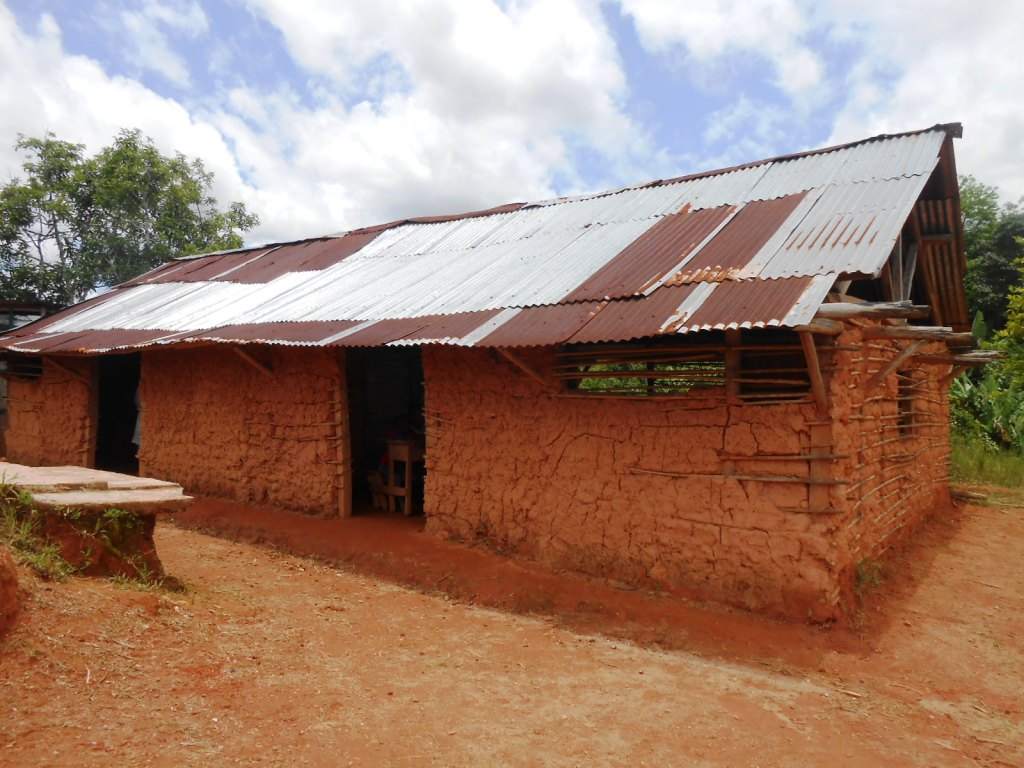
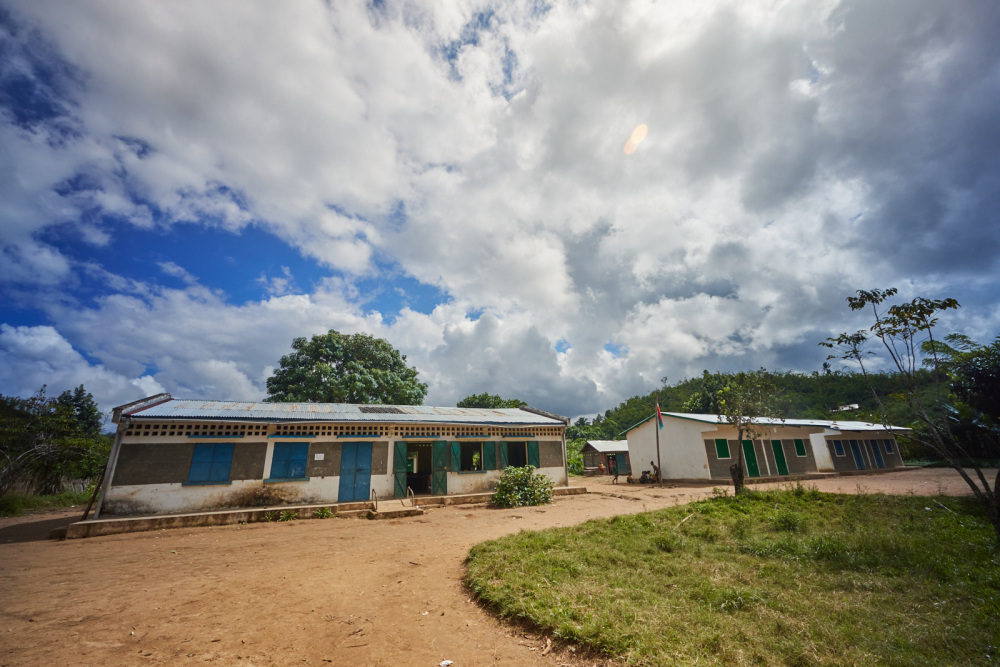
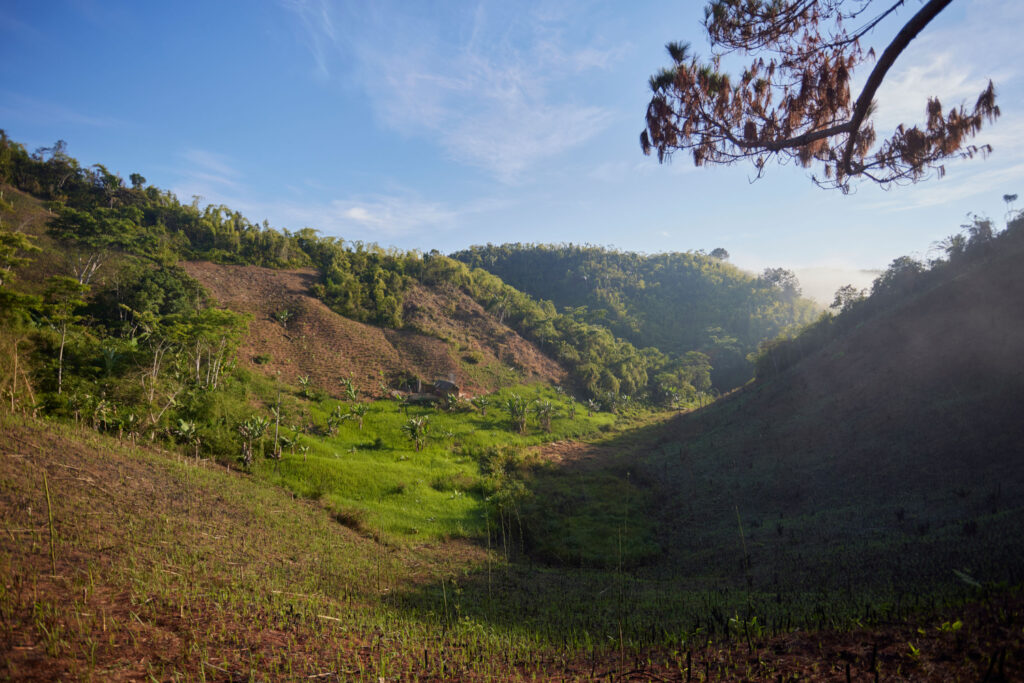
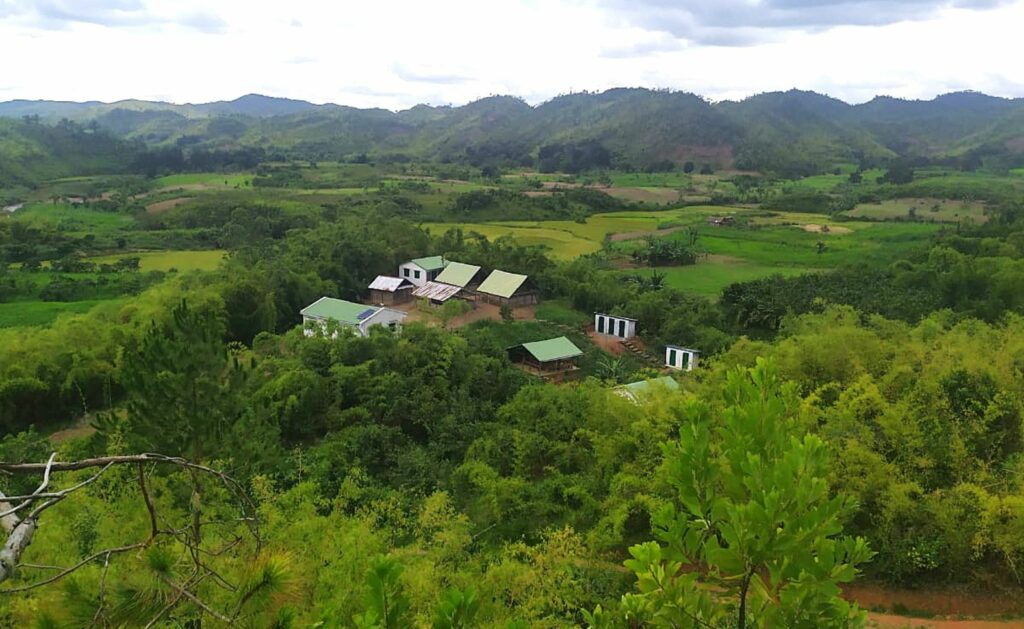
The Vohitrarivo camp holds a very special place in the history of our programme. Built in 2008, it was our very first field base camp, designed to host the teams working on site. After being severely damaged by the cyclones of 2022, it had to be entirely relocated and rebuilt on the “Simus Land” — a 40-hectare private property that we acquired in 2023 together with our local partner IMPACT Madagascar. This site now has major ecological importance, as part of the resident Greater Bamboo Lemur population has expanded its territory into this area.
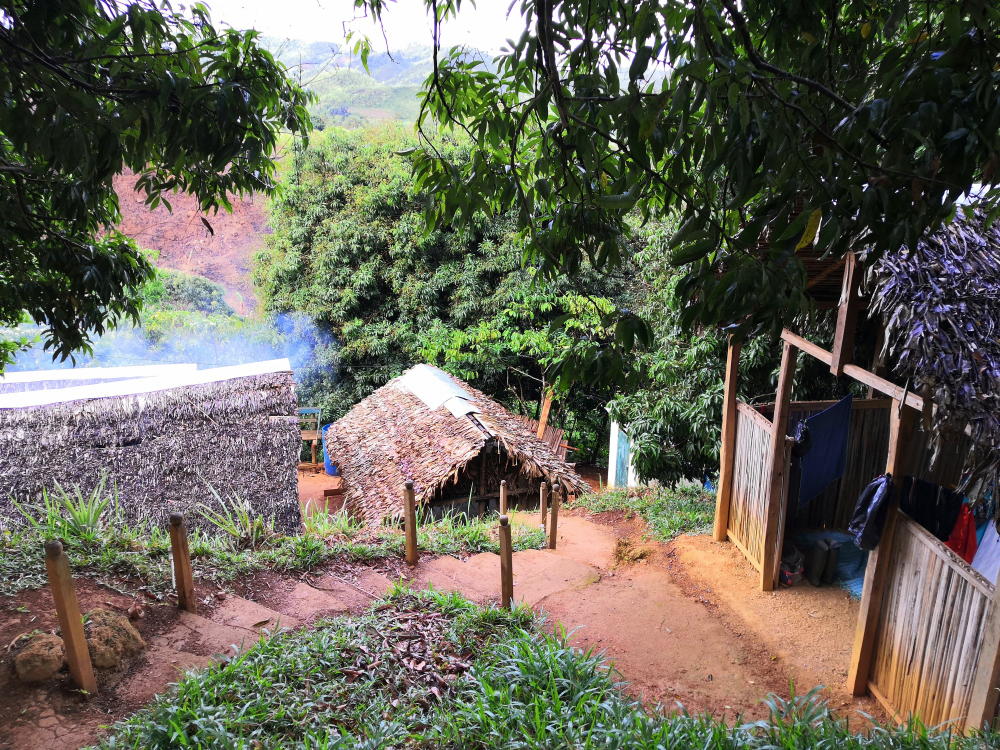
Former camp at Vohitrarivo (before the 2022 cyclones) © E. Ferrand
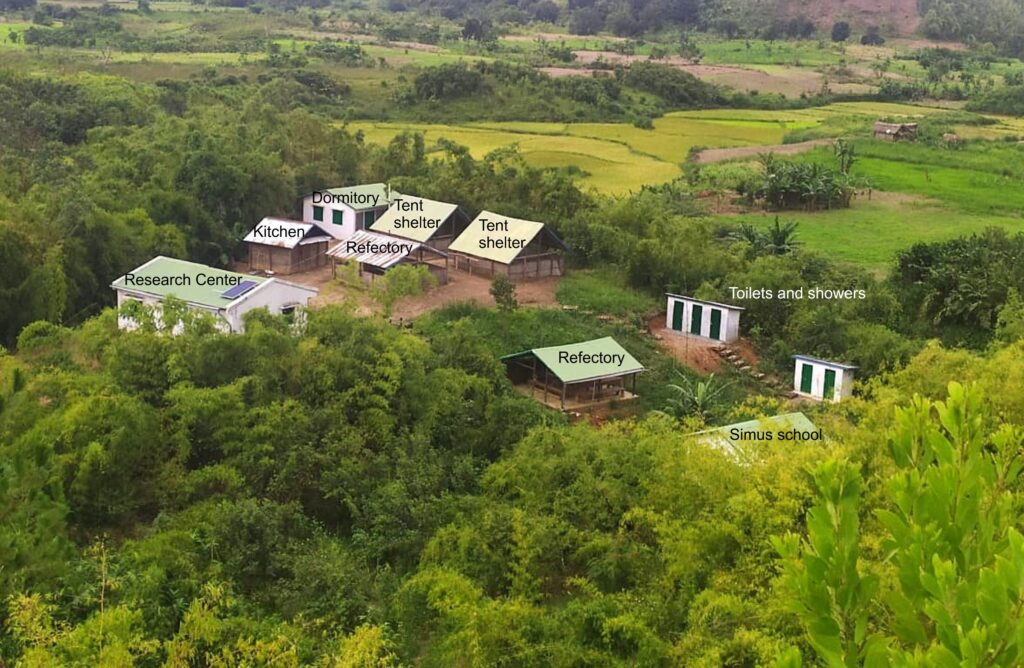
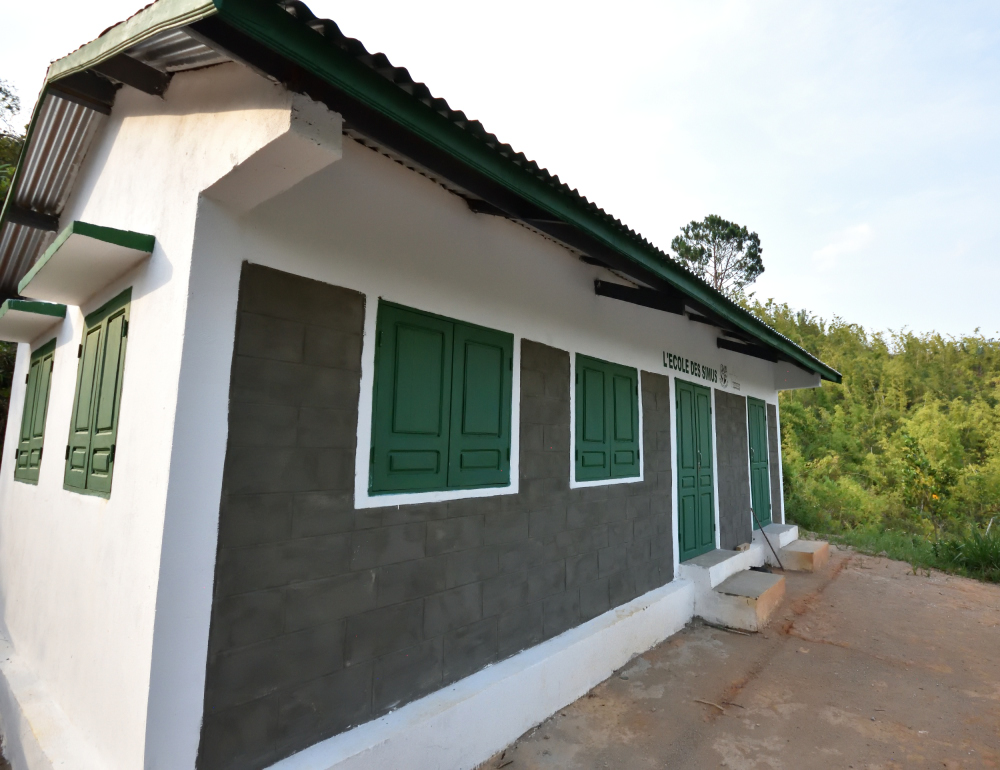
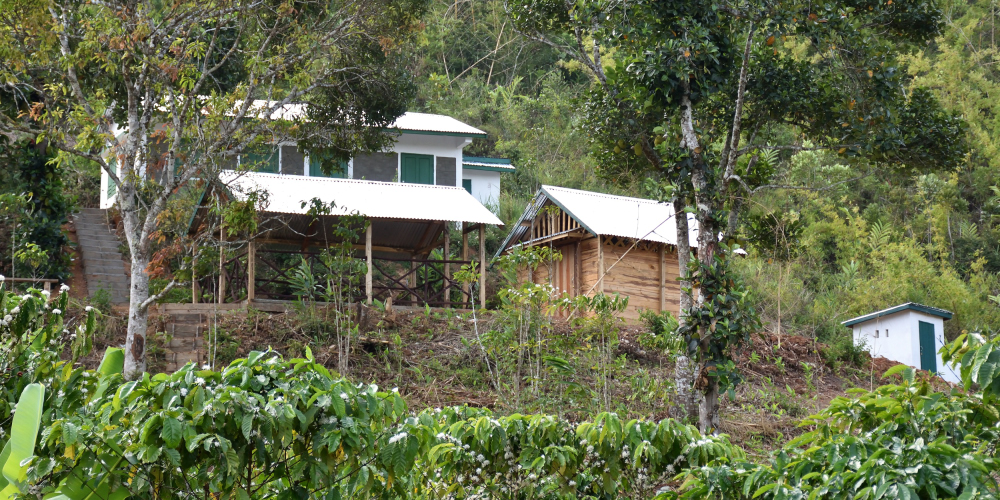
Current camp at Vohitrarivo © IMPACT Madagascar

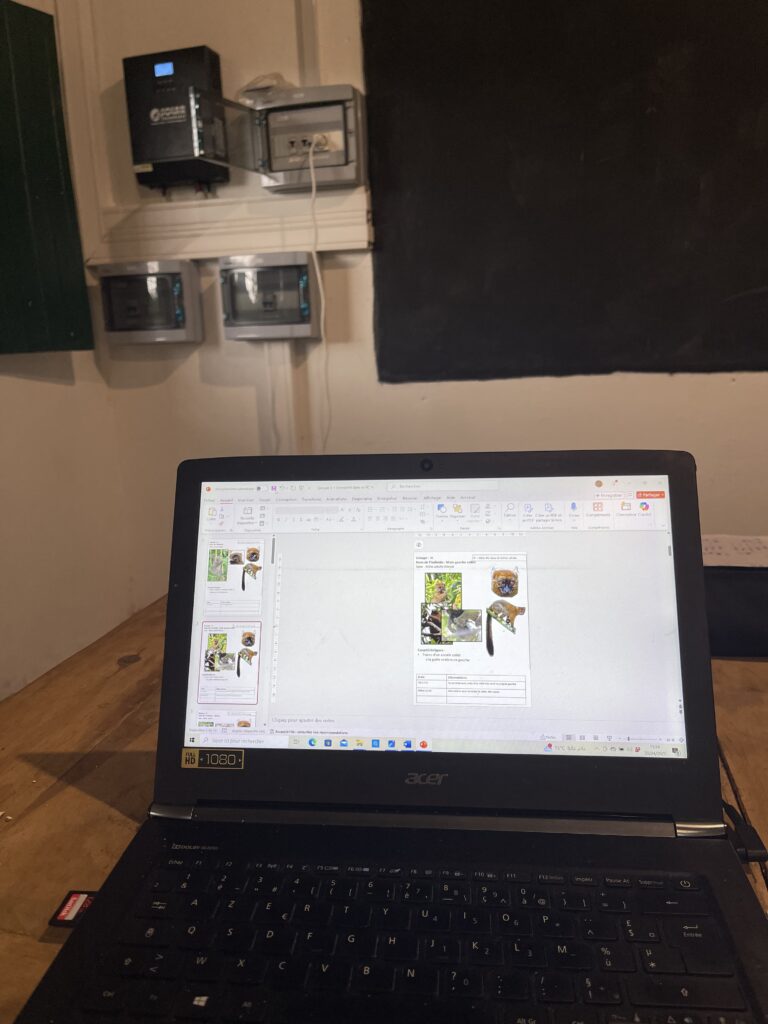
It is also on this land that we established our first research centre in 2024. Its electrification, completed in 2025, represented a significant milestone. It markedly improved working conditions for field teams and enabled the development of new scientific activities. This modernisation is all the more critical given that Vohitrarivo is the area most exposed to human pressure within our intervention zone. Research conducted here is thus essential to better understand the needs of this lemur population and to guide conservation strategies.
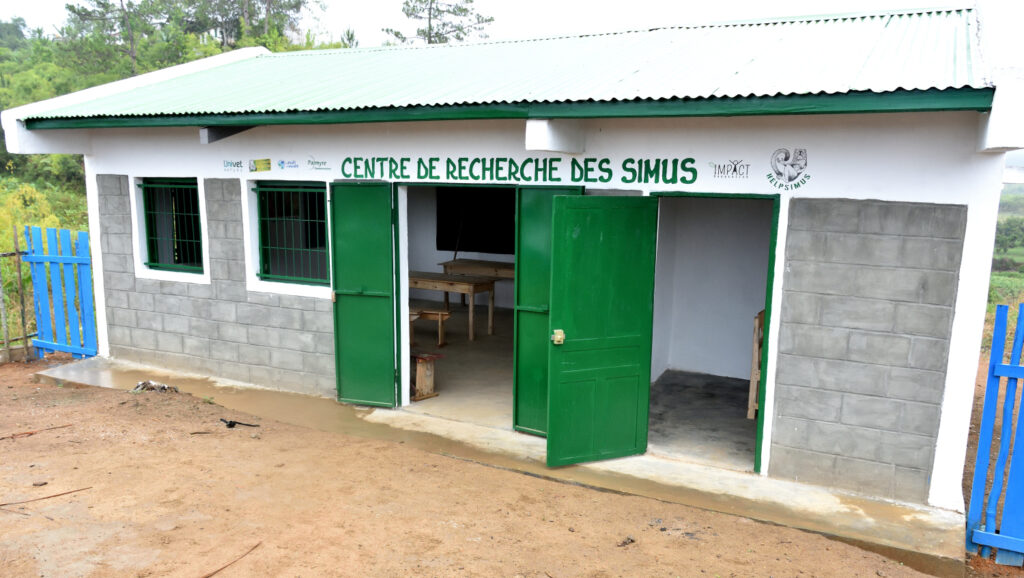
The Simus Research Center – Vohitrarivo © D. Roullet
Electrification of the Simus Research Center © D. Roullet

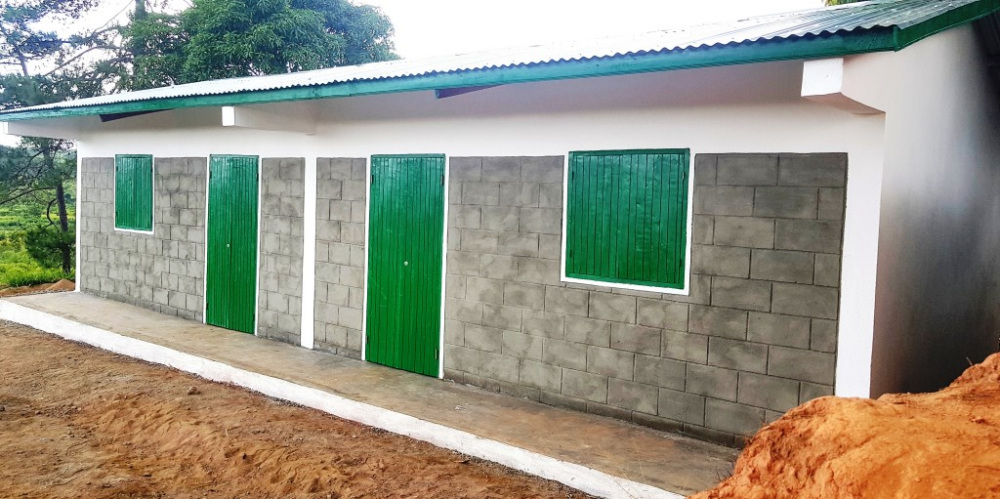
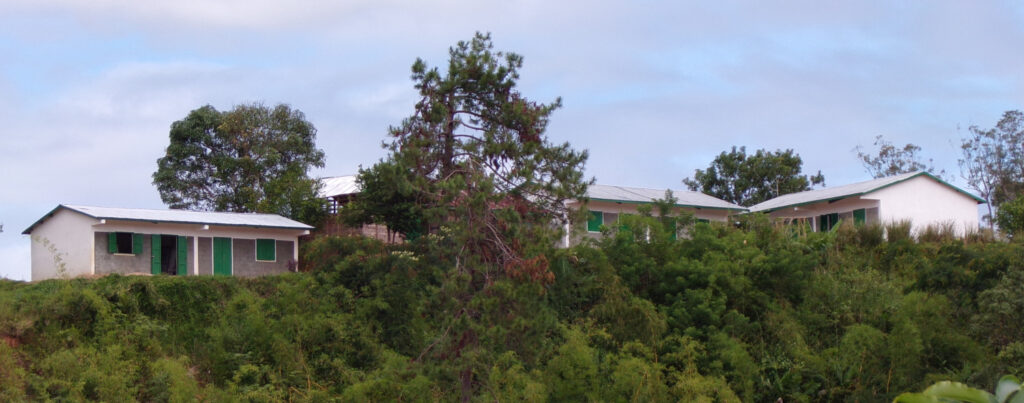
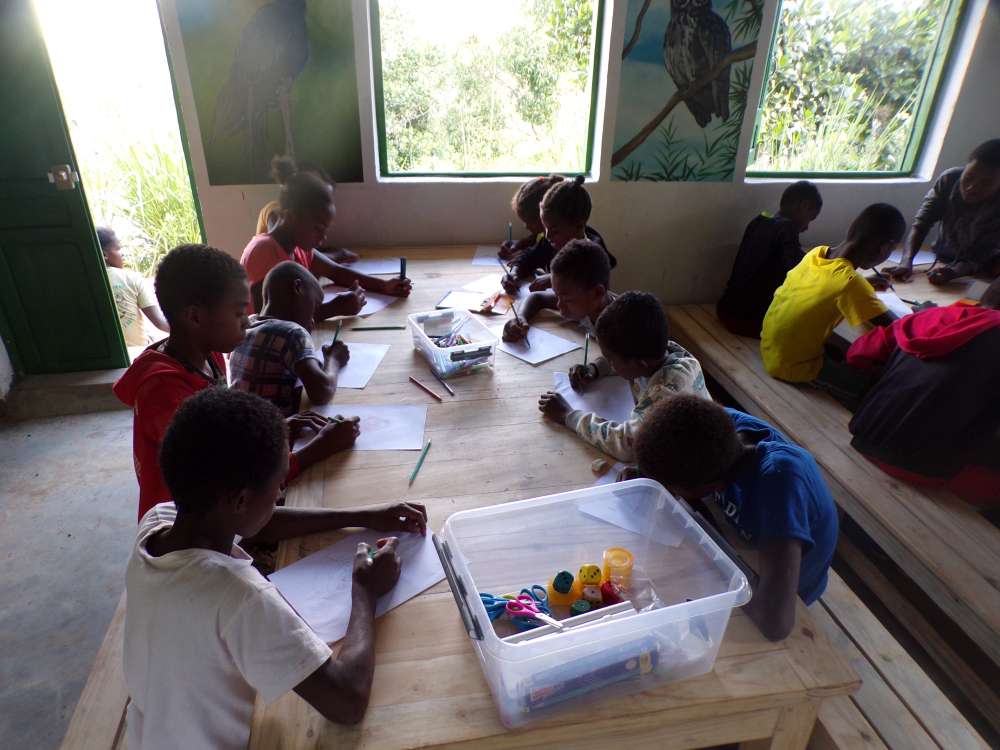
To support the programme’s development — particularly the expansion of our environmental education activities, which are crucial in strengthening awareness of environmental protection in the region — a major camp expansion project was launched in 2025. It includes the construction of several new facilities: a dormitory to improve accommodation for staff and visitors, additional toilets and showers to enhance comfort and hygiene, as well as an annex of the Simus School, with a brand-new refectory.
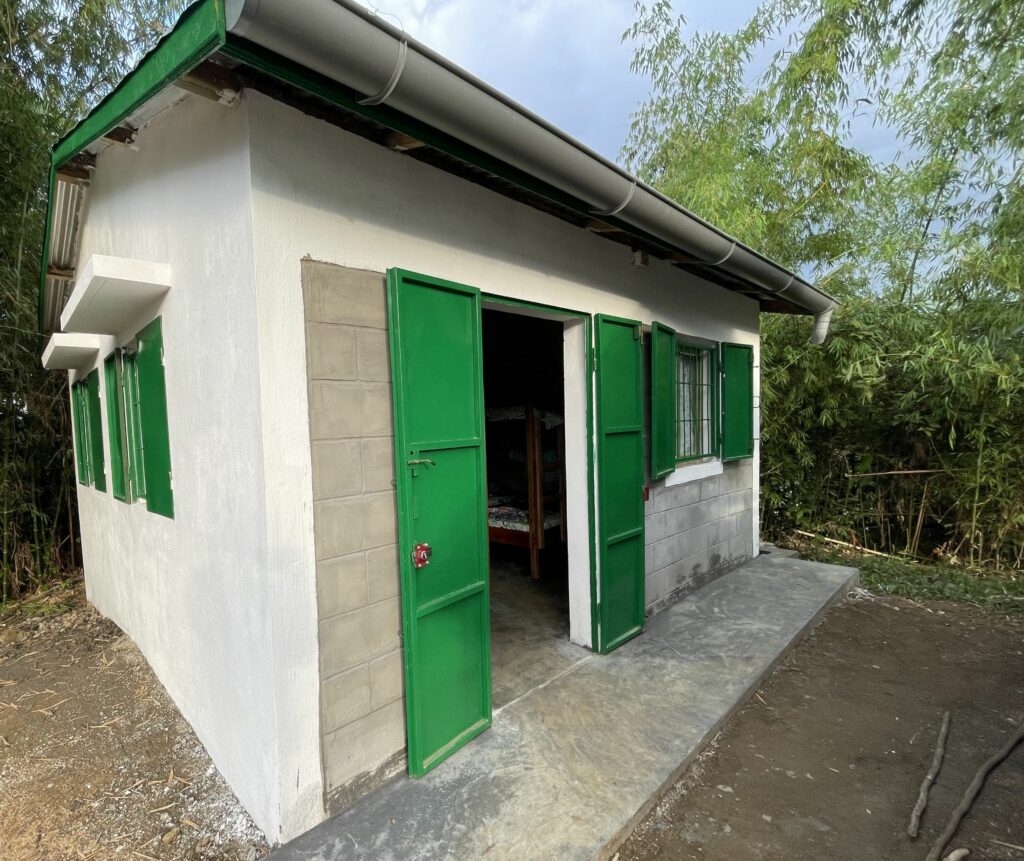
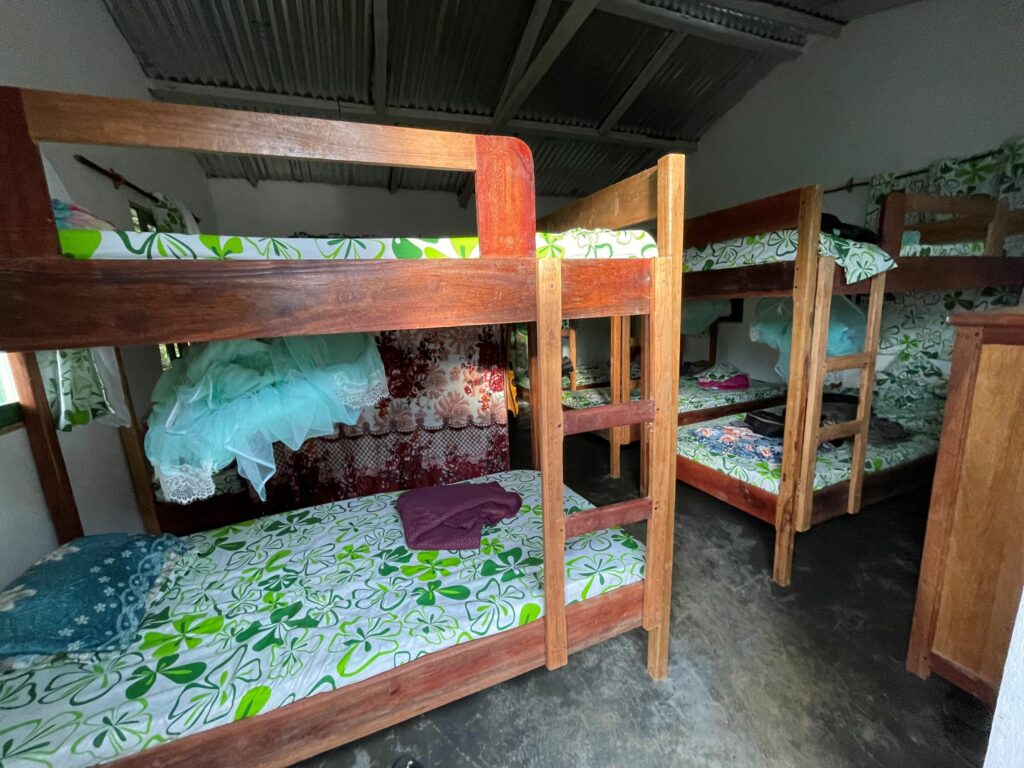
Dormitory at the Vohitrarivo camp © D. Roullet
Camp layout photo – Vohitrarivo © IMPACT Madagascar

These developments meet a dual objective:
– to sustainably improve living and working conditions for field teams, ensuring continuity and quality in research efforts;
– to strengthen our educational mission by increasing our capacity to host workshops and green classes for children as well as for adults from local communities.

The opening of the Vohitrarivo Simus School also led to the recruitment of a new educator in April 2025. Thanks to this second school — in addition to the one in Sahofika — we are now able to offer more activities while significantly reducing the long walking distances previously required from our educators each week.

The camp expansion also brings an exciting new opportunity: hosting students as part of the launch of a primatology training programme. A first group is expected in the coming weeks. This programme will provide future Malagasy primatologists and conservation professionals with a unique immersion experience in the natural habitat of the Greater Bamboo Lemur.

In summary, the extension of the Vohitrarivo camp marks a major milestone in the evolution of our programme. More than an improvement of infrastructure, it represents a true investment in the future — strengthening our scientific capacity, advancing environmental education, and making Vohitrarivo a place where research, learning and conservation come together in service of lemur protection and habitat preservation.

The expansion of the Vohitrarivo camp was funded by the IUCN Save Our Species programme.
2024 annual report

Click on the link below to access the Helpsimus 2024 annual report:

Five Years of Rice Field Guarding: A Success for Human–Lemur Coexistence

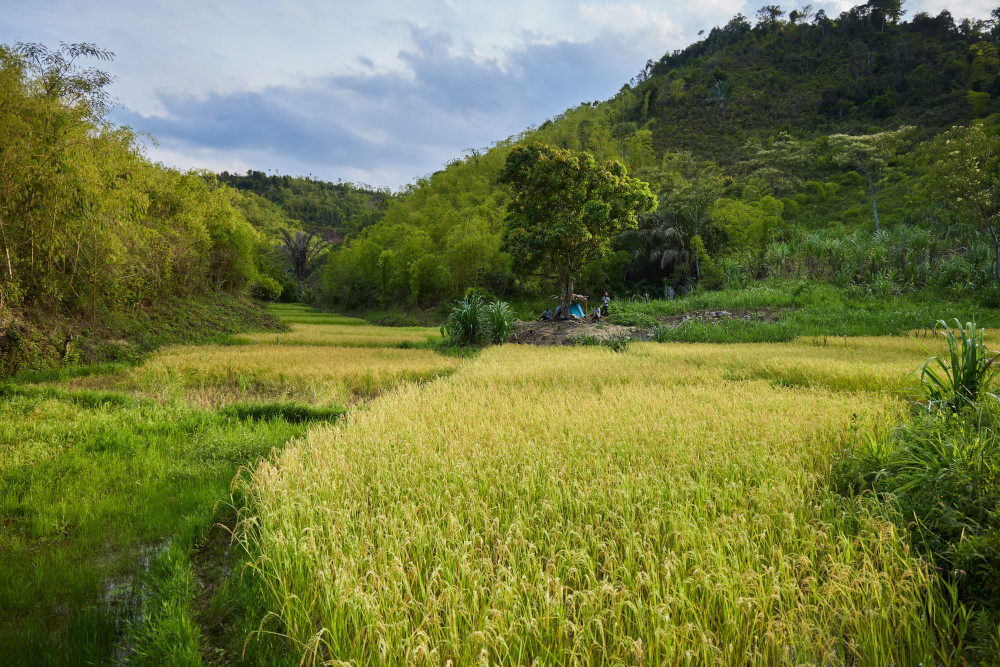
It was in 2019 that we launched the pilot project to guard rice fields, in response to increasing tensions between farmers and greater bamboo lemurs. Although these lemurs consume rice only occasionally—less than 1% of their diet—the damage they could inflict was significant, sometimes destroying up to 80% of a harvest. These incursions threatened both the food security of local communities and the long-term success of ongoing conservation efforts.

A Simple, Adapted, and Sustainable System

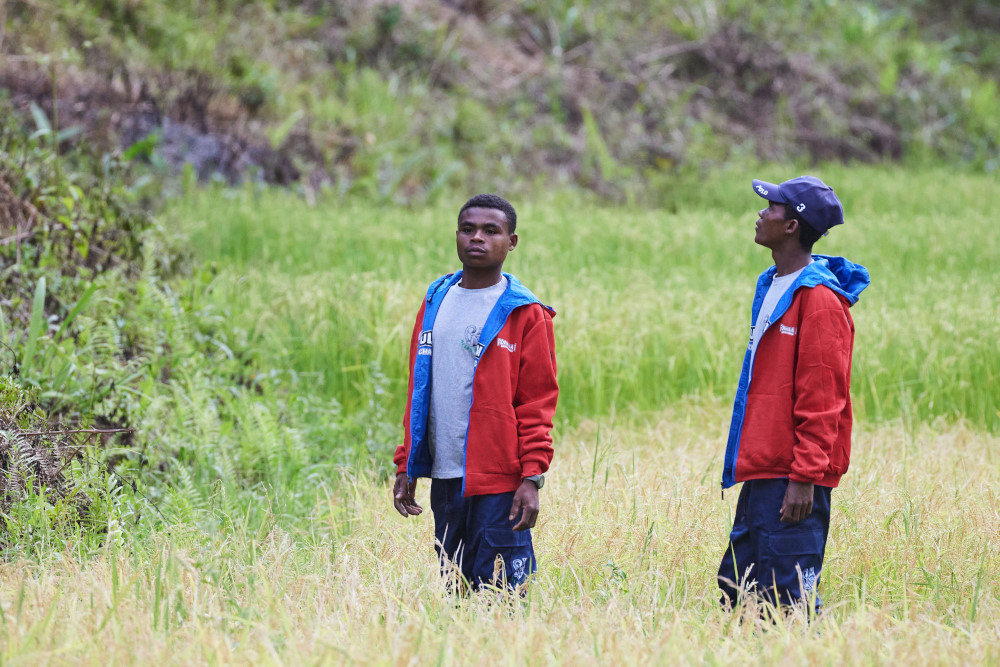
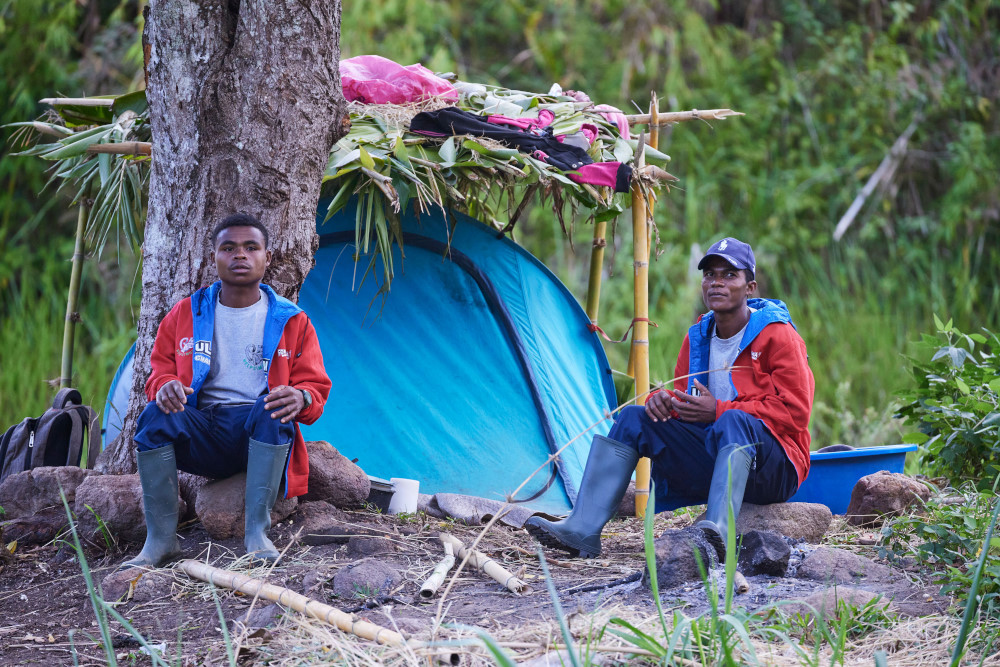
The principle of the guarding system is as simple as it is pragmatic: teams of guards take turns monitoring the rice fields day and night during the two annual rice-growing seasons:

Since farmers do not all plant at the same time, the guarding effort is maintained continuously for about six months.

The system is reinforced by:
Clearing operations around rice fields, which improve visibility and make it easier for guards to monitor;
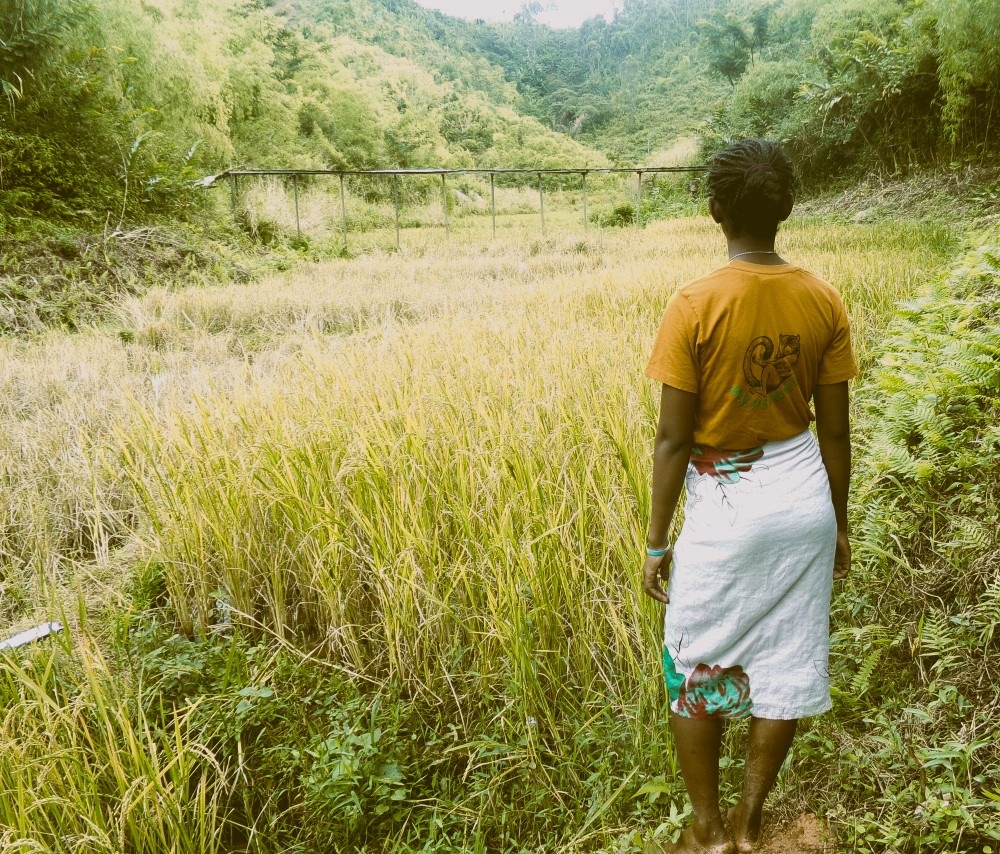
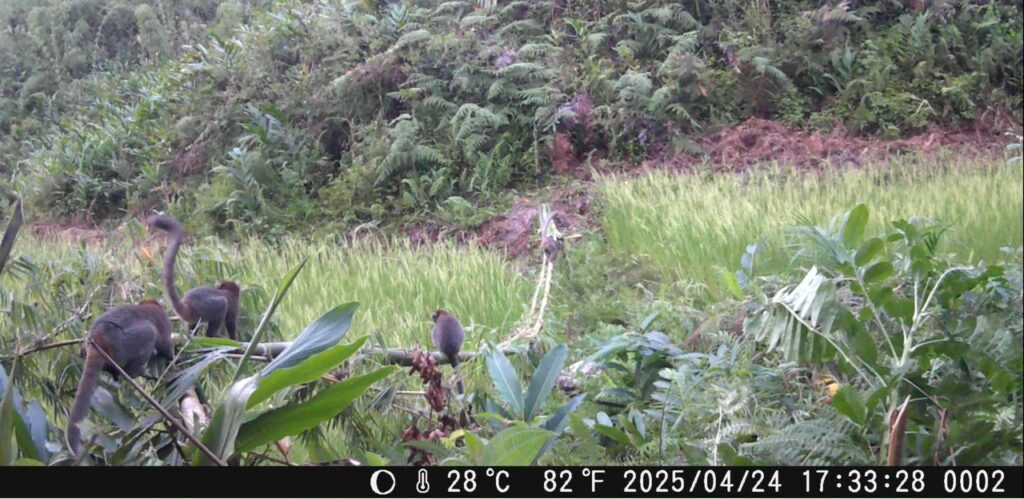
The construction of footbridges at the usual crossing points of greater bamboo lemurs, allowing them to move between forest patches without damaging the crops and enabling guards to intervene without risking the separation of group members.

Greater bamboo lemurs using a footbridge © Helpsimus

Currently, 168 guards are mobilized under the supervision of an IMPACT Madagascar field officer.

Crop guarding © IMPACT Madagascar

Tangible and Measurable Results

Data collected since 2022 clearly demonstrate the positive, direct impact of this system:

PeriodIntrusion attemptsSuccessful intrusionsRepelled without damageWith damage% with damage
Apr–Jun 2022417417 (<1% damage)0
Nov 2022 – Feb 20231116122115 (<1% damage)71–5%
Apr–Jun 202310814030 (<0.1% damage)100.5–2%
Nov 2023 – Feb 20249001818 (<1% damage)0
Apr–Jun 202414069592 (<0.01% damage)31–2%
Nov 2024 – Feb 2025424963<1%

Since 2022, more than 5,000 intrusion attempts have been recorded. The vast majority have been successfully repelled with no damage to crops. Only a few isolated incidents resulted in minor losses.

A Sustainable Coexistence Restored

Thanks to this system, conflicts between farmers and lemurs have been resolved. The crops are now effectively protected, and the mere presence of guards is often enough to repel incursions. In a context of declining agricultural yields due to climate change, securing harvests is more valuable than ever.

The system is now supported by local communities, reflecting both its effectiveness and the strong ownership of the project on the ground.

This initiative is a concrete example of successful coexistence between humans and wildlife—a success made possible by the constant commitment of our partners.

Crop guarding partners: Cotswold Wildlife Park, Palmyre Conservation, Fondation Audemars-Piguet pour les Arbres, Fondation Le PAL Nature, AFdPZ, Pure Trade, Sainte-Croix Biodiversité, Parc de Clères, SaveOurSpecies IUCN, Comité français de l’UICN – ProBioDev, Univet Nature, Boissière-Mervent Conservation, Conservatoire pour la Protection des Primates, Parc animalier de la Barben

2023 annual report

Click on the link below to access the Helpsimus 2023 annual report:

Supporting schools: a priority in our conservation programme

We have been supporting 5 public primary schools since the Bamboo lemur programme was launched in 2008: Sahofika, Vohitrarivo, Ambodigoavy, Ambodimanaga and Ambohipo, located in the 5 fokontany involved in the programme.

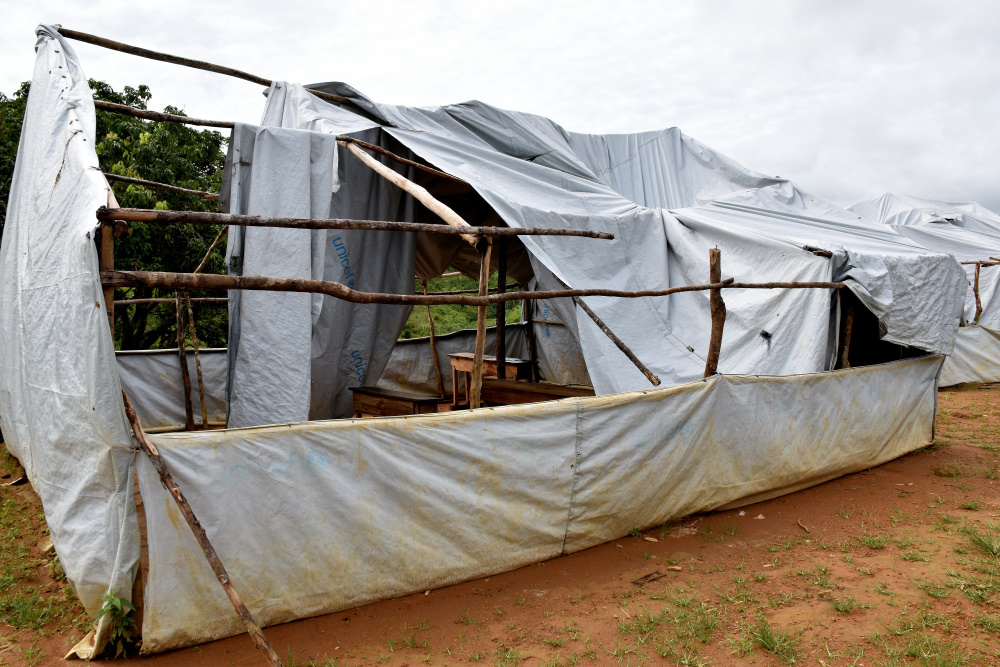
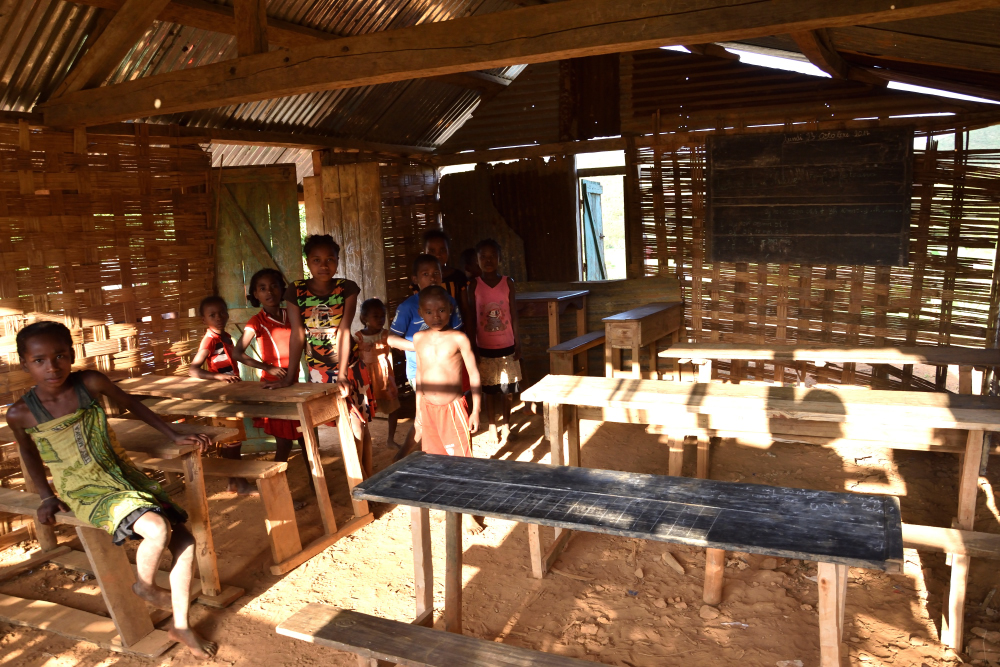
Parents and teachers were the first to ask for our help. Indeed, when our first actions to protect the greater bamboo lemurs were set up, three of the schools were in ruins and the other two were in a very poor state.

Ambohipo School – 2016 © D. Roullet
Vohitrarivo School – 2019 © Helpsimus

We then began our support by building new infrastructure, financing a total of 12 school buildings, the first two of which were made of wood. From 2017 onwards, all the new buildings were constructed using sustainable materials, so that each school now has three permanent buildings offering greater comfort and greater resistance to cyclones. Two schools have now been completed: Sahofika and Vohitrarivo, the latter having been completely rebuilt.

Vohitrarivo School – 1st building – 2021 © Helpsimus
Vohitrarivo school – 2022 © D. Roullet
Sahofika school – 2024 © S. Meys

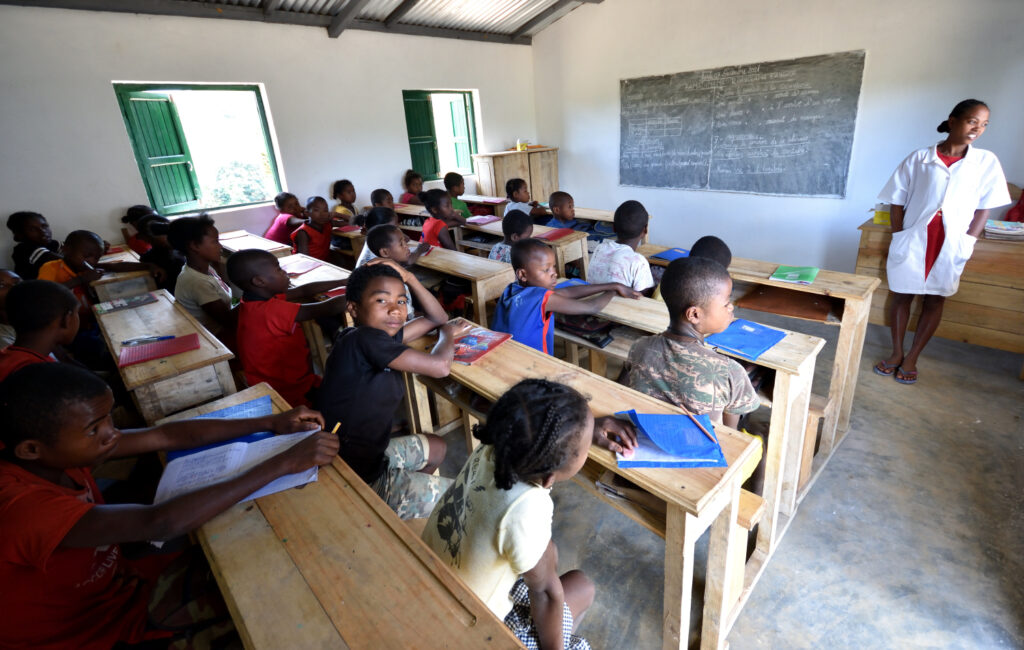
Each new school building is divided into 2 classrooms, all fully equipped: tables and benches for the pupils, desk and chair for the teacher, storage cupboards, blackboard, etc.

Ambohipo © D. Roullet
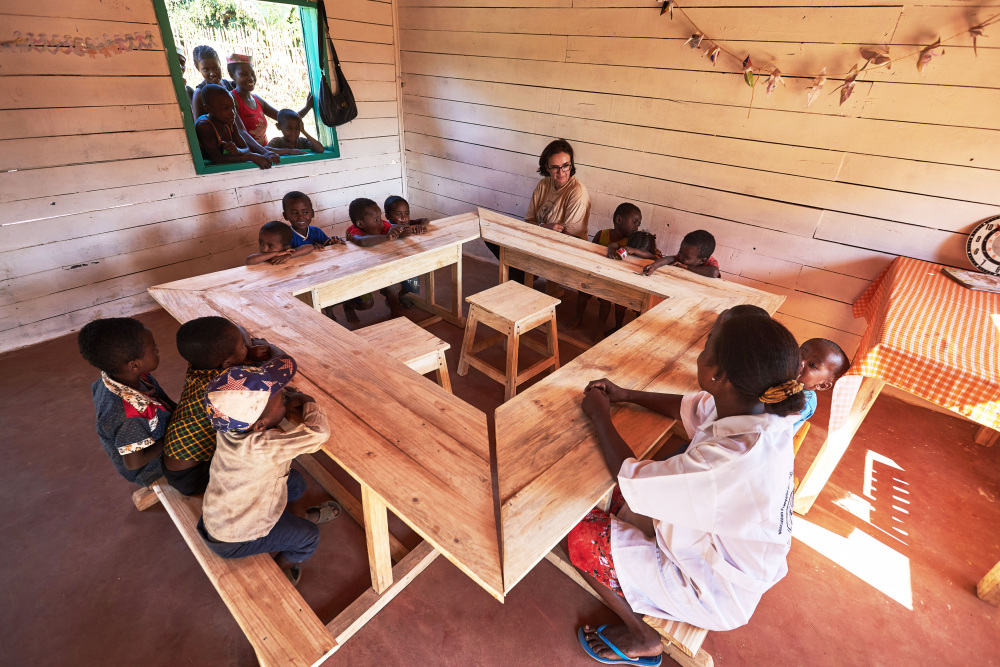
Preschool class – Sahofika © S. Meys

In addition, 3 existing buildings were renovated: one in Sahofika and the other 2 in Ambodigoavy.

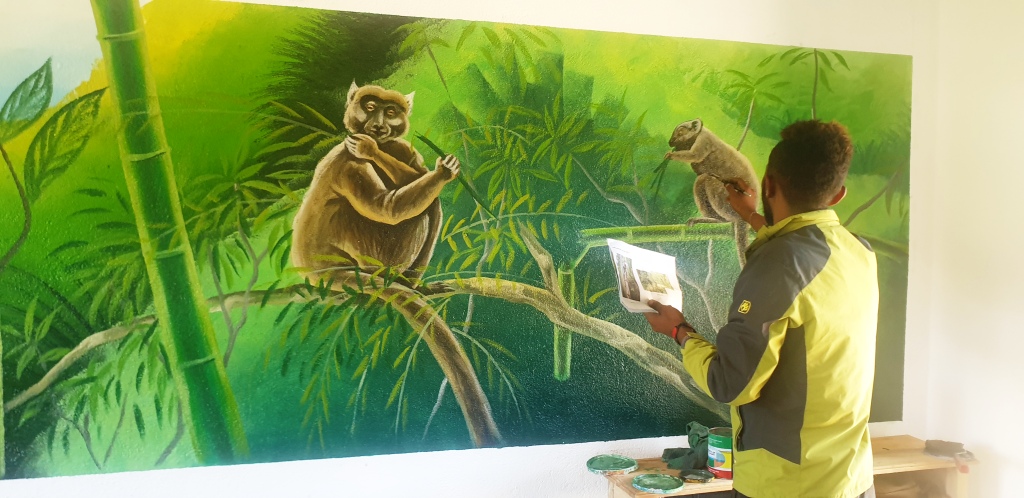
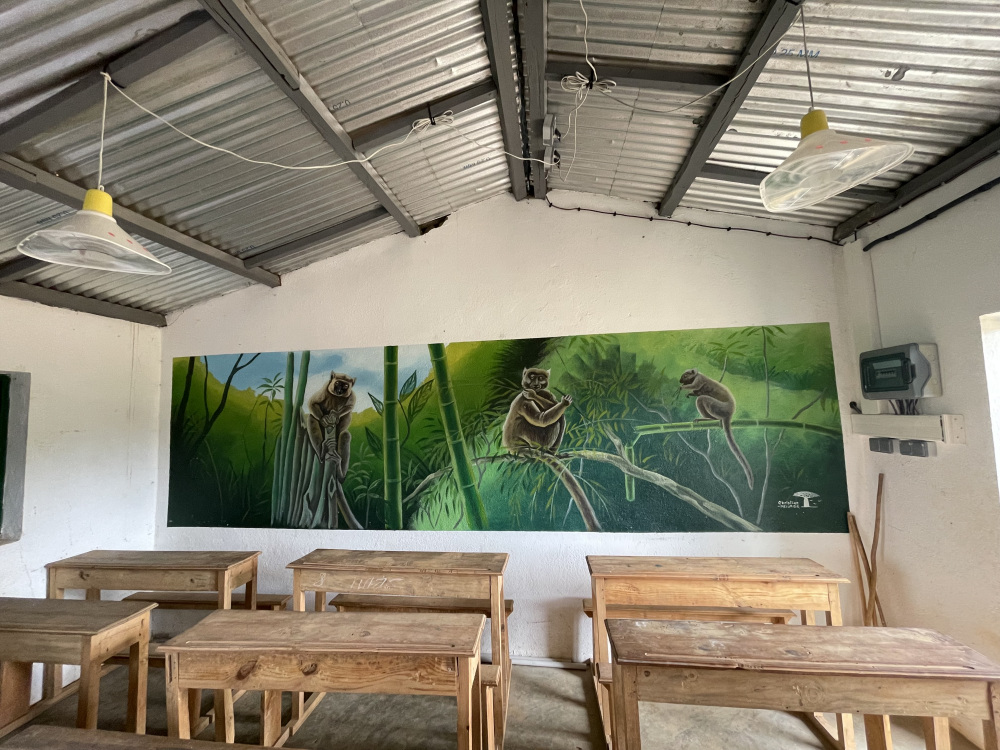
Several classrooms have also been decorated with murals showing lemurs and their habitat.

© Helpsimus

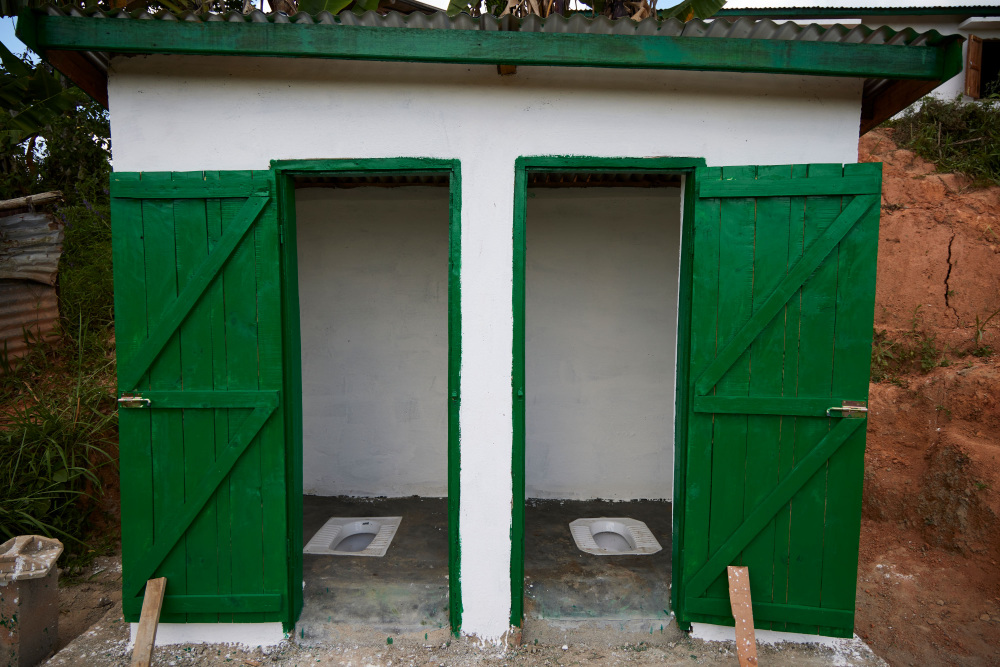
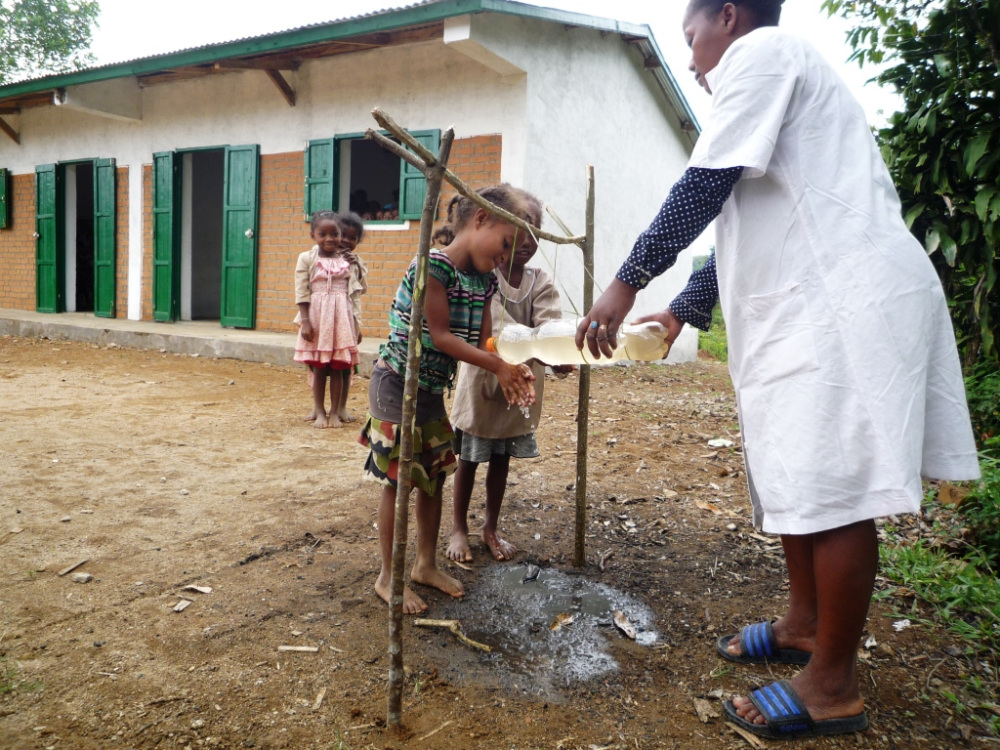
We have also built latrines with hand-washing stations. In addition to these facilities, we organise hygiene awareness workshops during which we teach pupils the importance of washing their hands and maintaining good personal hygiene.

© S. Meys
Hand washing workshop – Ambodimanga © Helpsimus

In addition to building and renovating school infrastructure, we also pay half the salaries of 16 non-tenured teachers recruited by parents, 7 of whom are assigned to pre-school classes. In fact, we have supported the opening of preschool classes in 3 schools. Since last year, we have also been providing training for teachers, most of whom do not have professional qualifications.

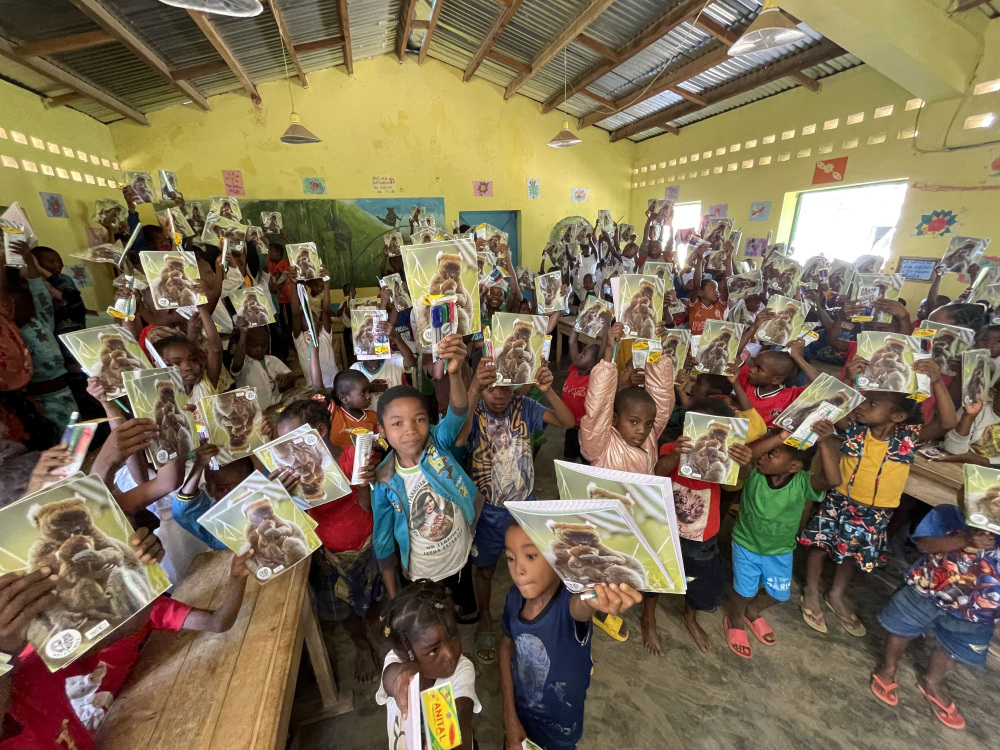
Moreover, every year we distribute school supplies to the 700 children currently attending the school.

© D. Roullet

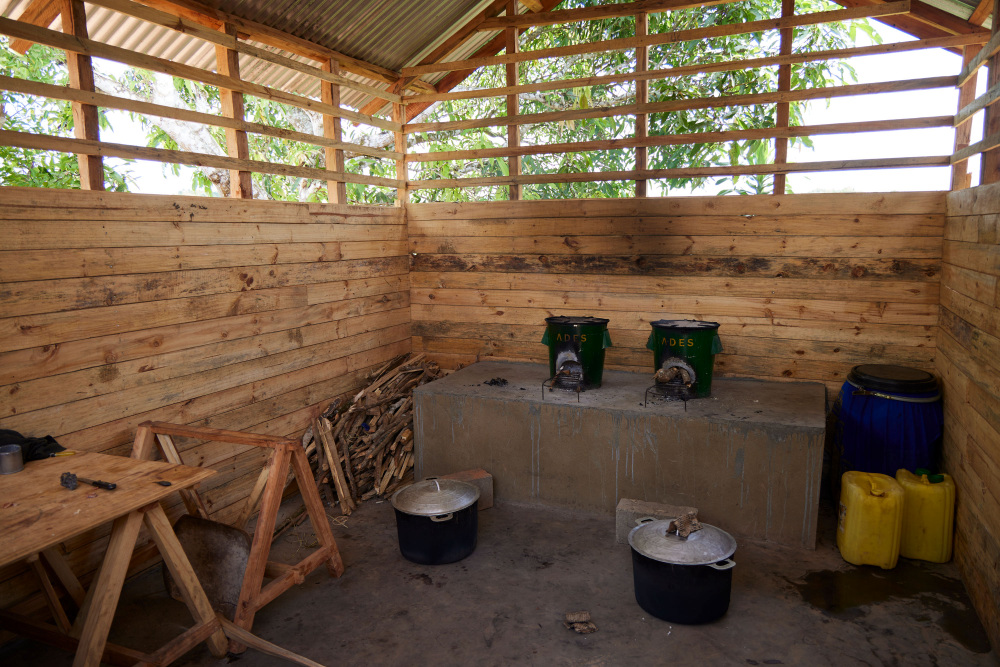
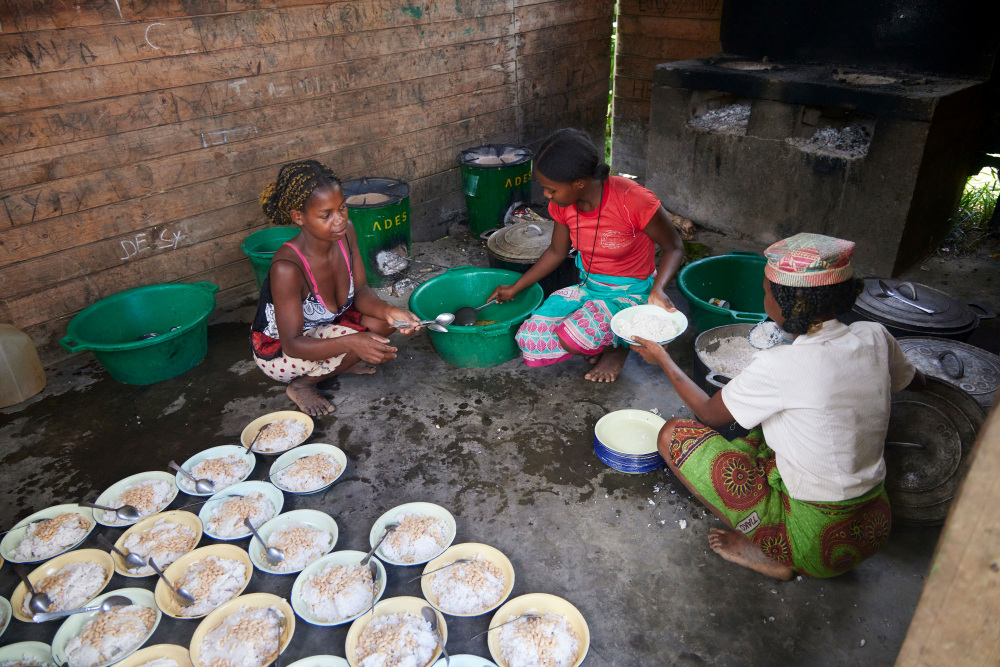
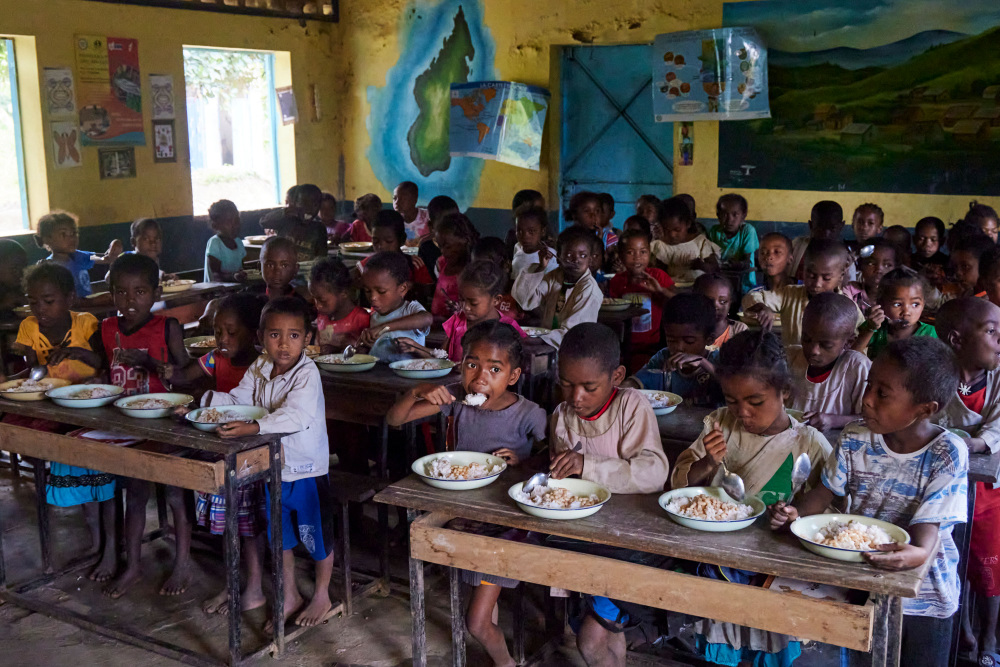
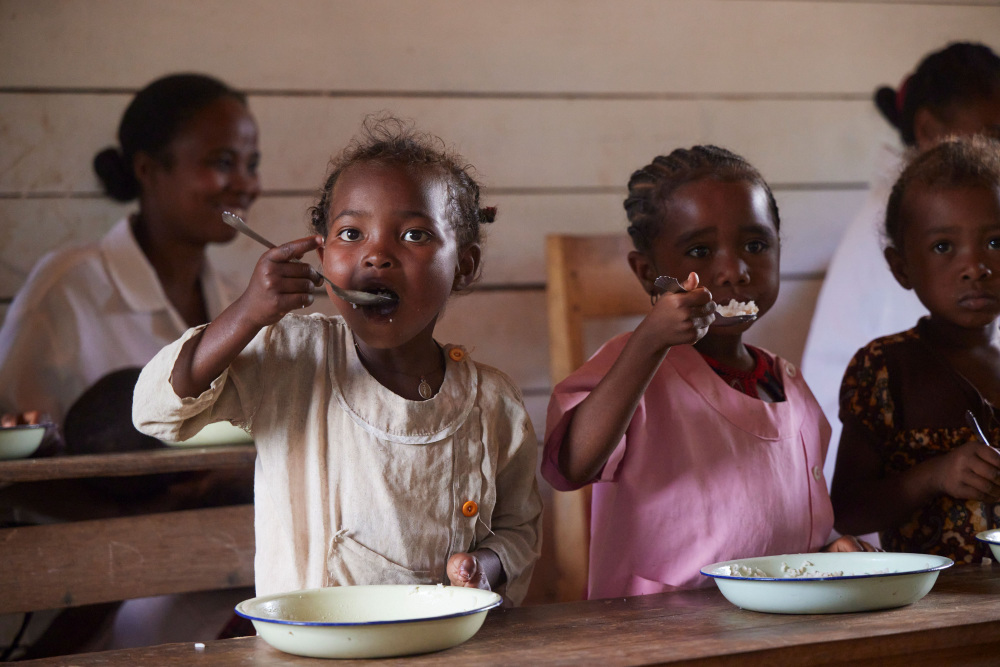
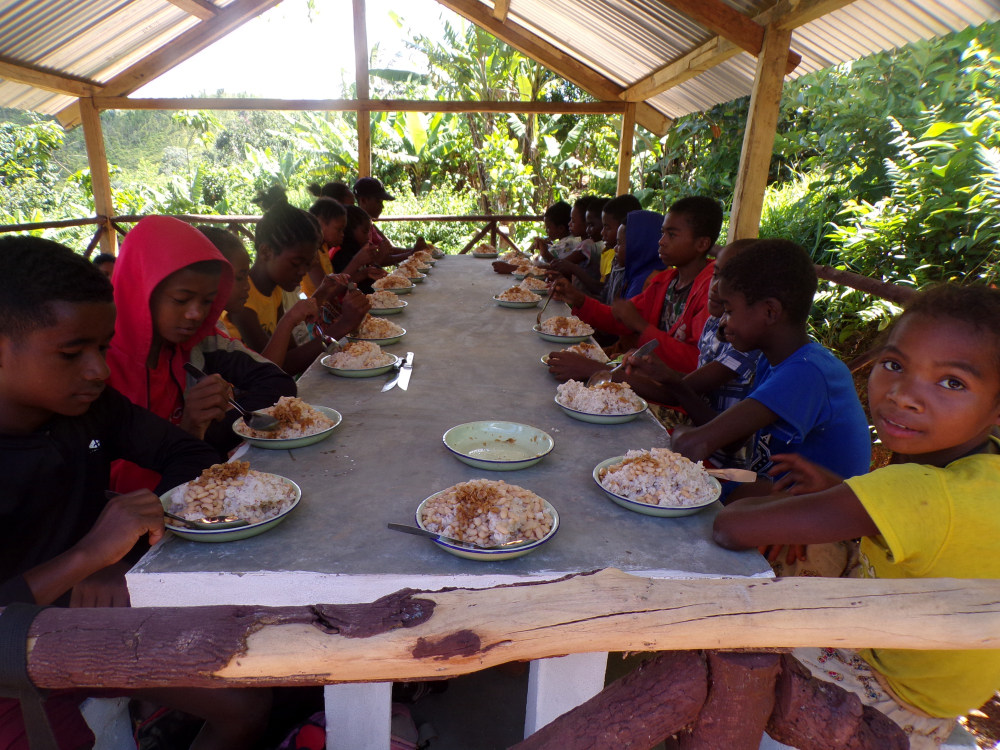
In 2016, we opened our first school canteen at the Sahofika school. Today, each of the 5 schools has its own canteen. We have built and equipped the necessary infrastructure (kitchens, refectories) and we manage and finance these canteens from start to finish.

Vohitrarivo school kitchen © S. Meys
Sahofika school kitchen © S. Meys

Since the cyclones of 2022, the 5 canteens have been open throughout the school year. Previously, they were only operational during the lean season (the period between the 2 rice harvests).

Over the entire 2022-2023 school year, they distributed almost 90,000 meals to 719 pupils, 23 teachers and 14 cooks every day.

Sahofika © S. Meys
Vohitrarivo © S. Meys

The school canteens encourage children to attend school regularly, which helps to significantly improve their results. In 2023, in the 5 primary schools supported by Helpsimus, more than 70% of candidates for the Certificat d’étude primaire élémentaire (CEPE) passed their exam. This has never happened before! The pupil with the best results in the Commune came from the Vohitrarivo school.

Mrs Razafinampenarivo, the head of the Tsaratanana Pedagogical Administration Zone (ZAP), expressed her gratitude for our support.

The school canteens are also a source of employment for more than a hundred cooks who work in shifts to prepare the meals.

We are also seeking to set up short supply circuits for the canteens thanks to the farmers taking part in our agricultural programme.

The aim of this school canteen programme is twofold:

– to ensure that children attend school ;

– to develop the local economy around the management of school canteens. 

Thanks to a partnership with Electriciens Sans Frontières, the 5 schools have been electrified, enabling teachers to extend their activities and organise tutoring sessions if necessary.

Ambohipo © D. Roullet

Supporting children’s education is essential. By offering them a solid basic education, we are helping them to break out of the vicious circle of poverty and into the virtuous circle of sustainable development. As adults, they will be better prepared to manage their natural resources sustainably and protect their remarkable biodiversity.

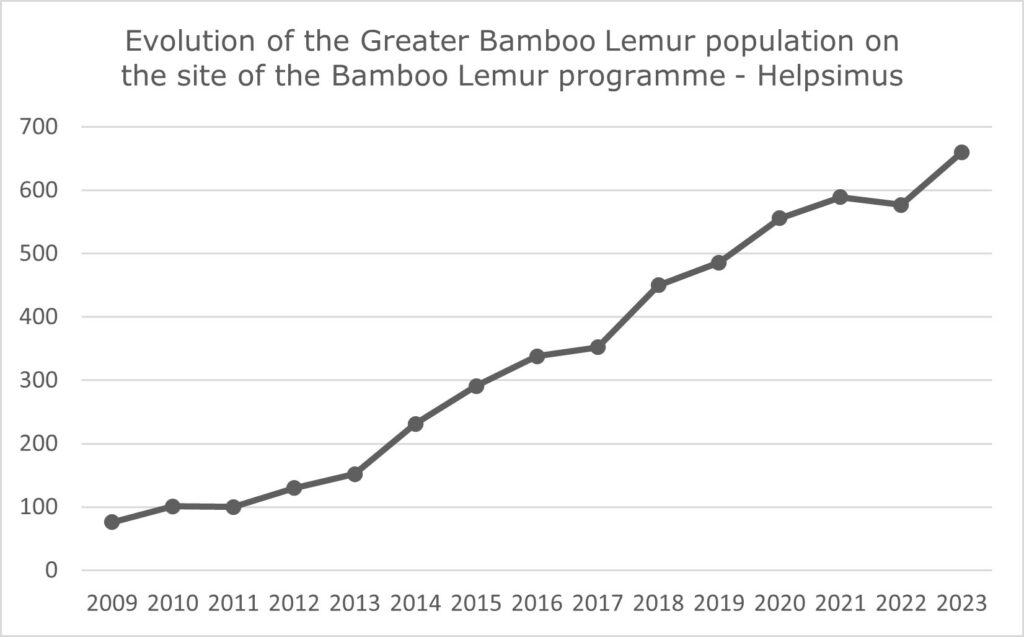
The population of Greater Bamboo Lemurs protected by Helpsimus has almost tripled in 10 years!

The Bamboo Lemur programme was initiated in 2008 following the discovery of two groups of greater bamboo lemurs (Groups 1 and 2), each comprising around twenty individuals at the time.

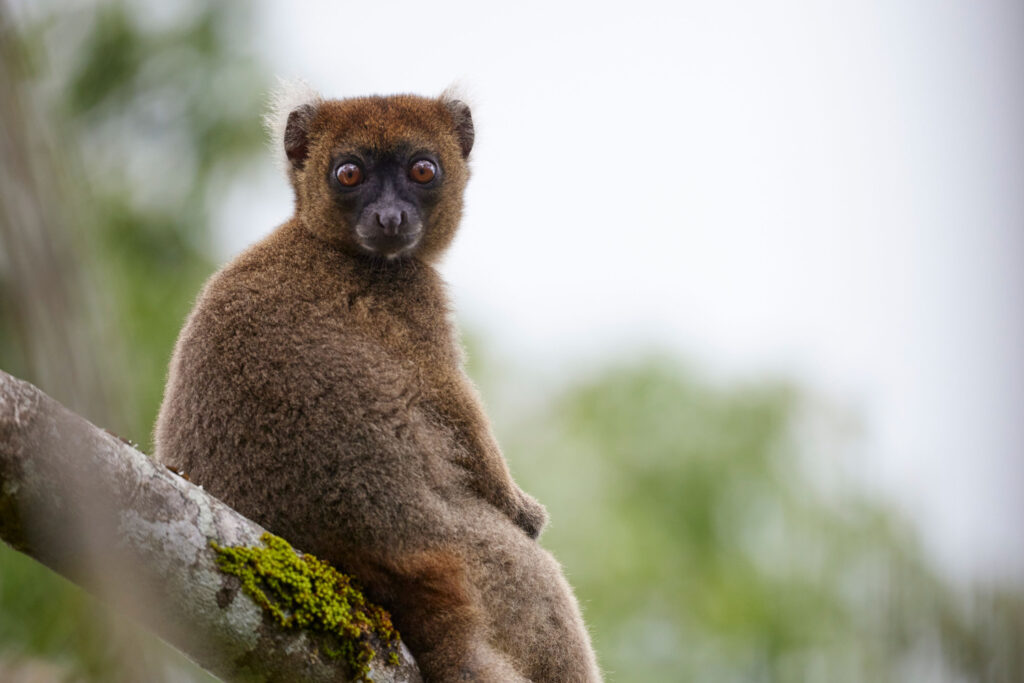
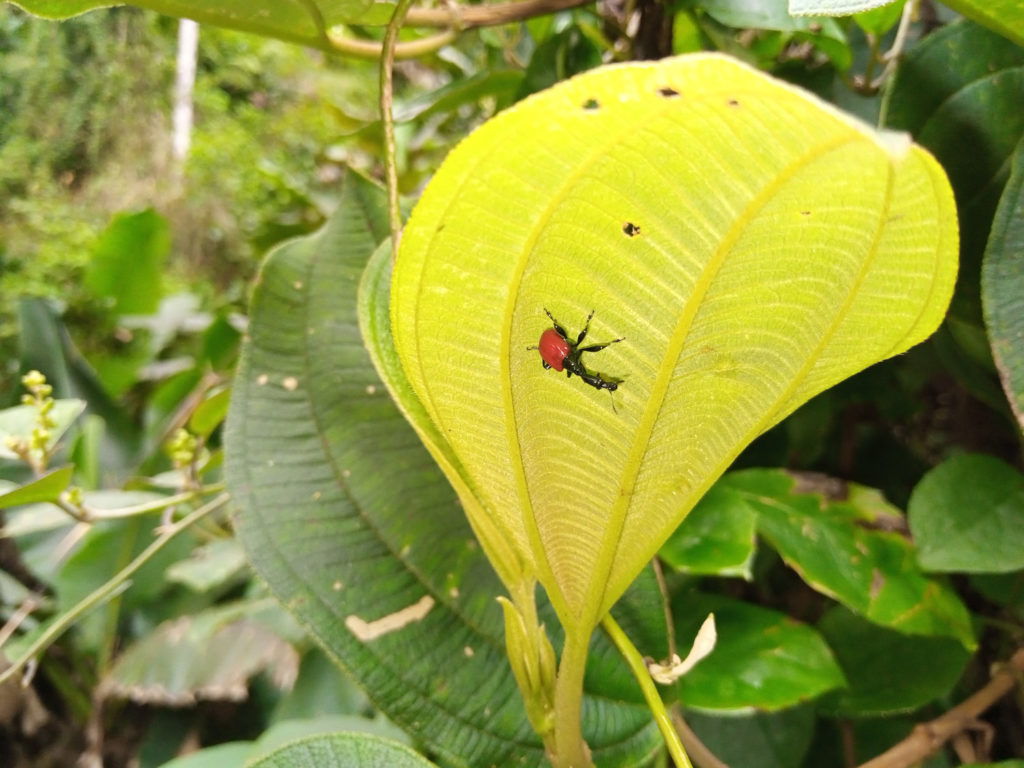
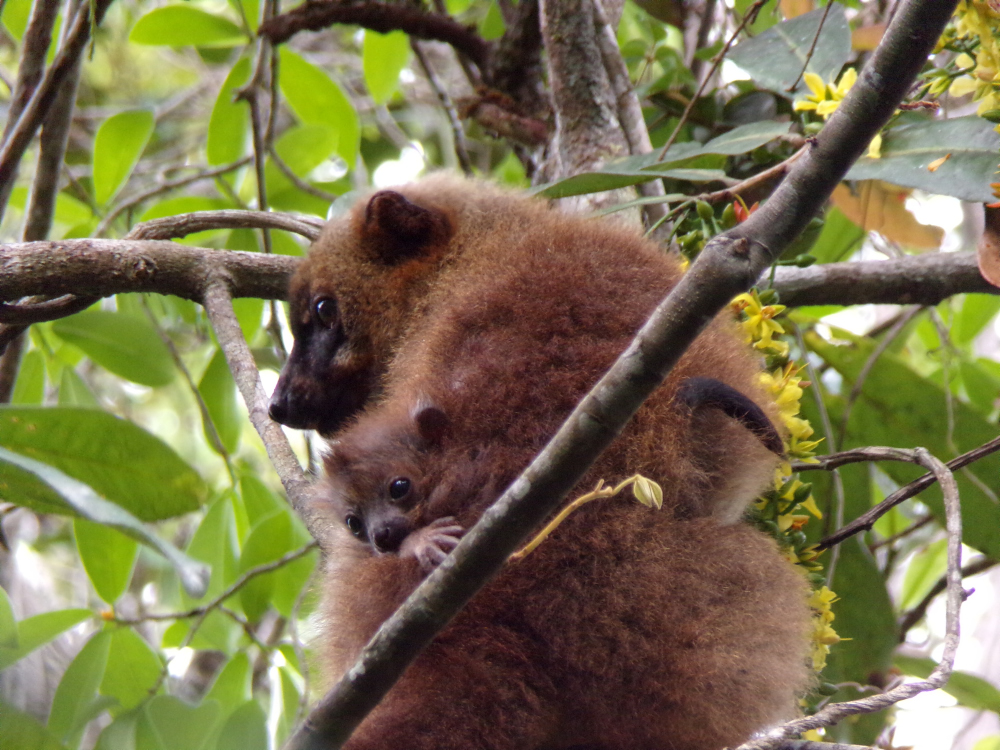
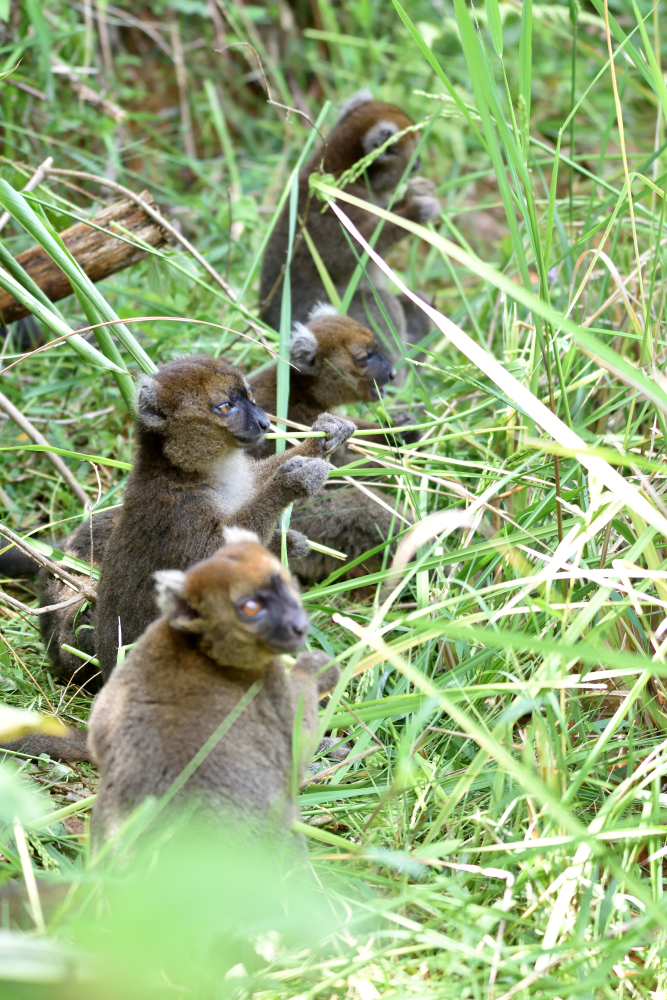
Greater Bamboo Lemur © S. Meys

Between 2008 and 2014, the growth in the population resulted not only from the implementation of the first protection measures, but also from the discovery of five new groups.

From 2014 onwards, the year in which the exploration ceased, the increase in the population is exclusively attributable to the protection measures in place.

It has remained constant since then, except for 2022, when around fifty individuals were not found following the passage of two high-intensity cyclones.

Since 2018, the number of births has generally been around 70 per year, with occasional peaks of over 80. These figures are exceptional, especially when you consider that this species was on the brink of extinction some fifteen years ago.

© D. Roullet – Helpsimus

Groups 1 and 2 stand out for their exceptional growth, even though they live in the part of our conservation area most impacted by human activity. This area, although heavily anthropised, has an abundance of bamboo, which is the main source of food for the greater bamboo lemurs. Group 2 also proved to be the most prolific within the population. It has occasionally exceeded 80 individuals, with record numbers of births (up to 15 babies recorded in 2018).

These 2 groups also underwent several fissions, leading to the formation of Groups 3, 1′ and 1” for Group 1, and Groups 2′, 2” and 4 for Group 2. Subsequently, Groups 1” and 4 also split, giving rise to Groups 1”’ and 4′.

The fissions within the groups had various origins. Some fissions were directly linked to human activities, in particular major clearings in the lemurs’ territory, as well as the hunting of tenrecs by villagers with the help of dogs. Others were of natural origin, occurring when the groups reached a size generally exceeding 60 to 80 individuals. Finally, some fissions were the consequence of intense climatic factors, notably the two cyclones that occurred in 2022. These cyclones caused considerable damage, destroying up to 40% of the bamboo forests. This destruction resulted in a significant reduction in the food resources of the greater bamboo lemurs, leading to the dispersal of the animals.

Clearing © S. Meys

The population of greater bamboo lemurs directly protected by Helpsimus has now exceeded 650 individuals, divided into 21 groups. These groups vary in size from just under 30 to almost 80 individuals.

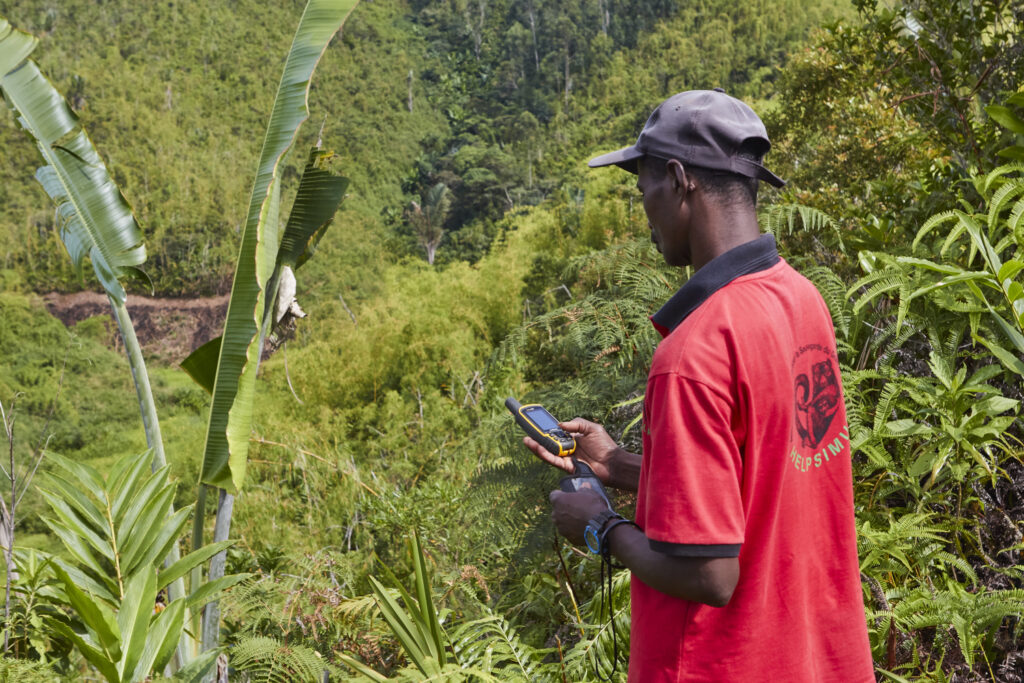
The 21 groups are monitored by a team of 30 local guides, whose job it is to:

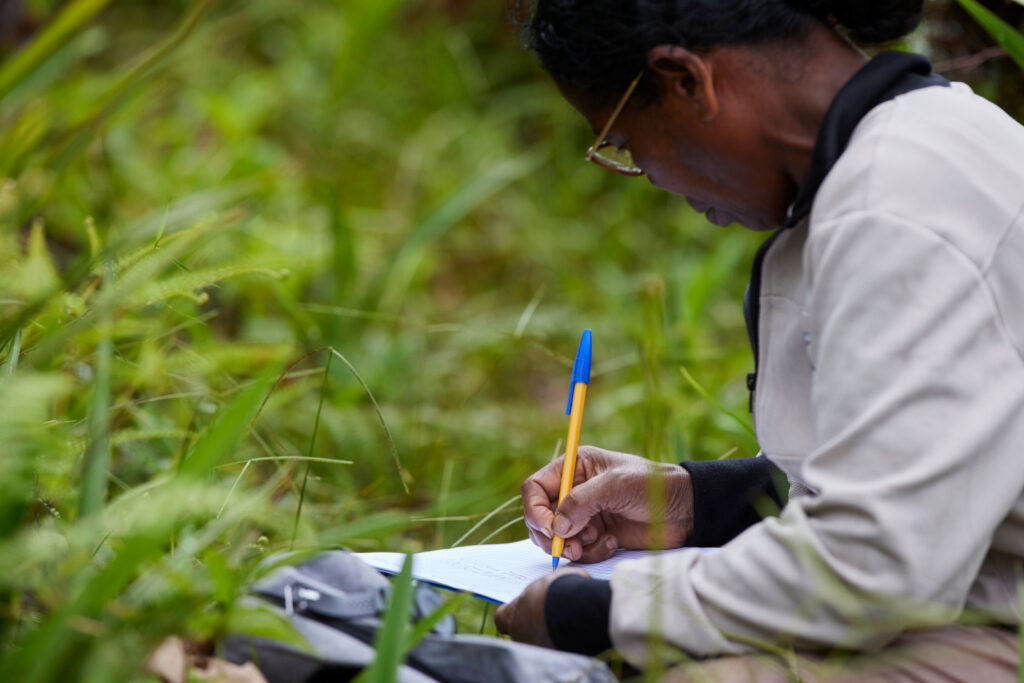
– monitor the groups: locate the animals and delimit their territory using GPS, carry out regular counts to update the inventories, report threats such as the presence of dogs or traps, and report attacks by the greater bamboo lemurs on crops.

– repel the greater bamboo lemurs from cultivated areas.

– help the scientific teams.

– take part in the inventories and the environmental education programme.

Helpsimus guide © S.Meys
Helpsimus guide © S. Meys

In addition to the 21 regularly monitored groups, three new groups formed after the cyclones of 2022, named 8′, 8” and 10, are not regularly monitored. Together, these groups total around thirty individuals.

The Bamboo Lemur programme site is now home to the largest wild population of greater bamboo lemurs. This success is attributable to our holistic approach to conservation, which aims to fight poverty among local populations, enabling them to protect their biodiversity in a sustainable way.

The greater bamboo lemur is currently the only lemur species whose populations are increasing. From less than 100 specimens in 2008, it is likely that the population now exceeds 1,500 individuals in Madagascar. However, despite this growth, the balance remains fragile, as demonstrated in 2022 with the cyclones. The greater bamboo lemur population has nevertheless shown remarkable resilience in the face of these events, thanks in part to the measures put in place to limit the pressure on its habitat.

Annual report 2022

Read the Helpsimus annual report for 2021!

Creation of the Simus School and development of our environmental education program

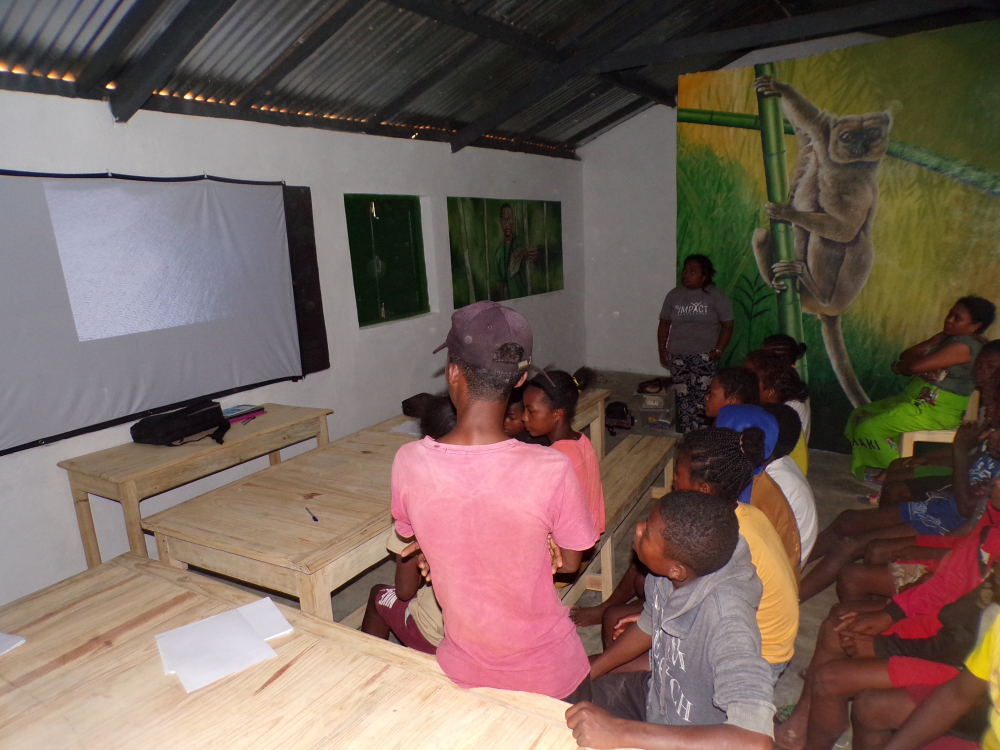
Our environmental education programme took a new turn in 2022 with the creation of the Simus School, our home for environmental education.

The school, which was built in Sahofika, also includes a kitchen and a refectory to accommodate children from all our partner villages and to organise activities over several days.

The Simus School © D. Roullet

In front of the Simus School, the refectory and the kitchen © D. Roullet

The recruitment of a new educator, Laurent, as well as the decision to have our environmental education programme supervised by our partner Impact Madagascar, also allows us to organise more activities for the children.

Laurent © D. Roullet

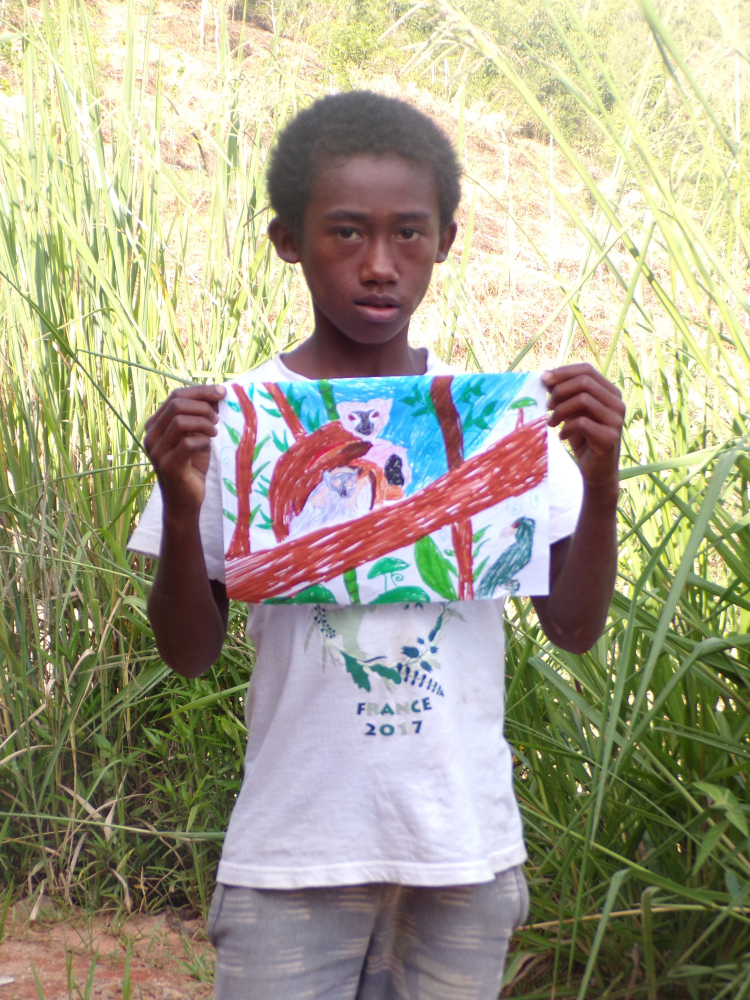
Last year, we conducted 65 educational workshops, involving 1,866 children.

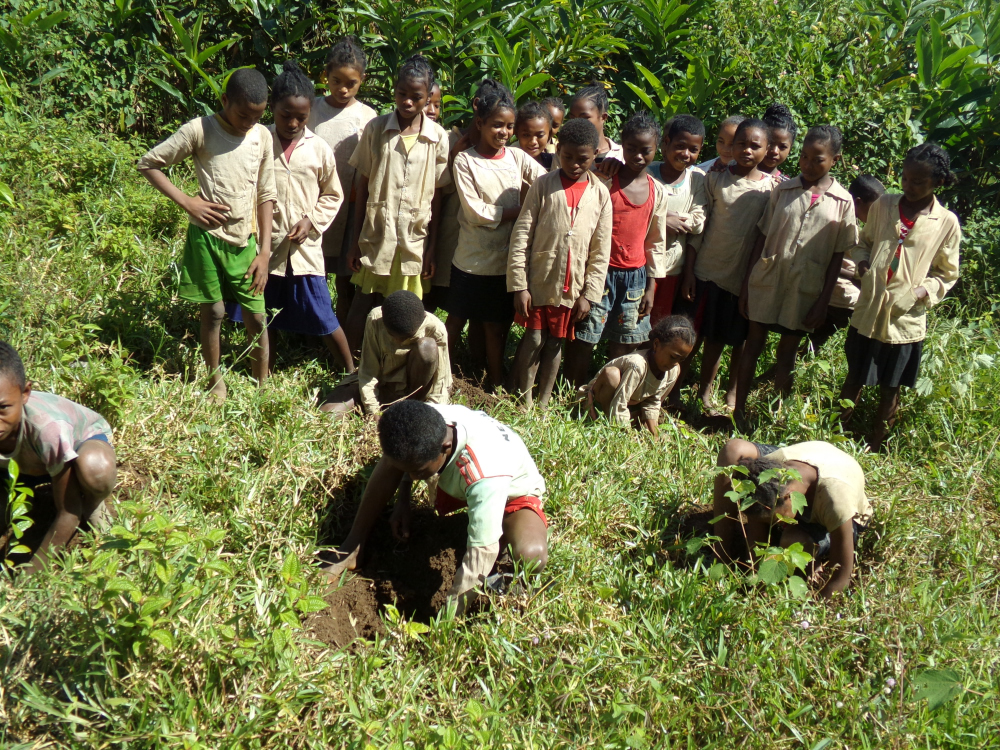
We have introduced new activities, in particular a workshop entitled « I take care of the forest ». This workshop aims to make children aware of the importance of forests by teaching them to look after the trees they have planted near their school.

The workshop « I take care of the forest » © Impact Madagascar

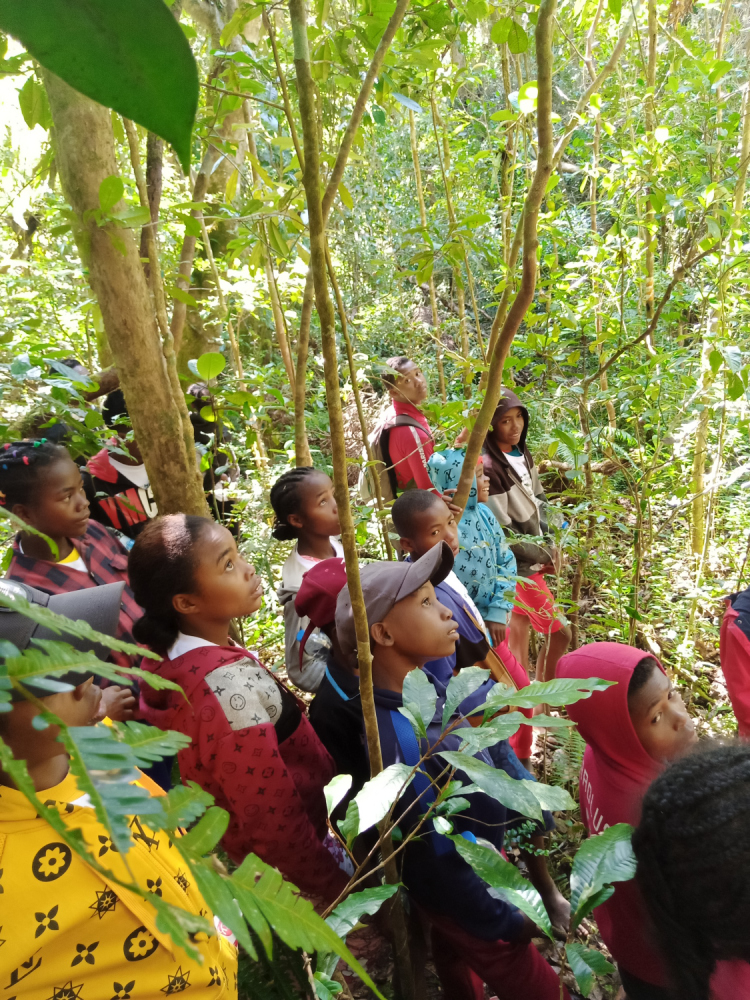
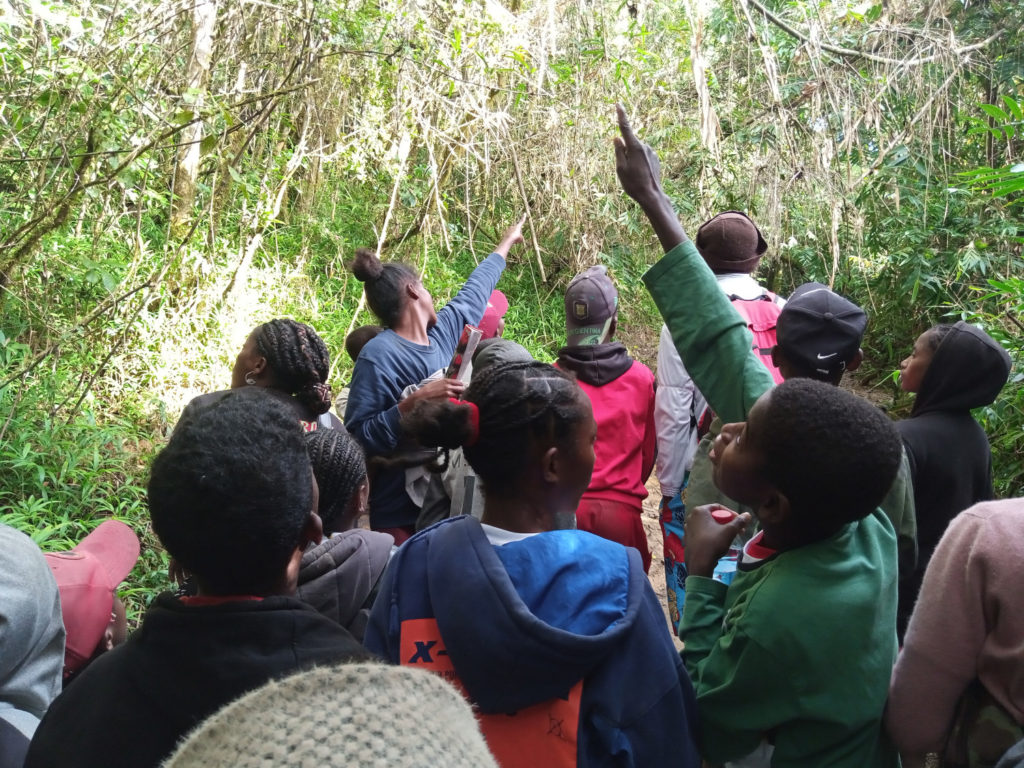
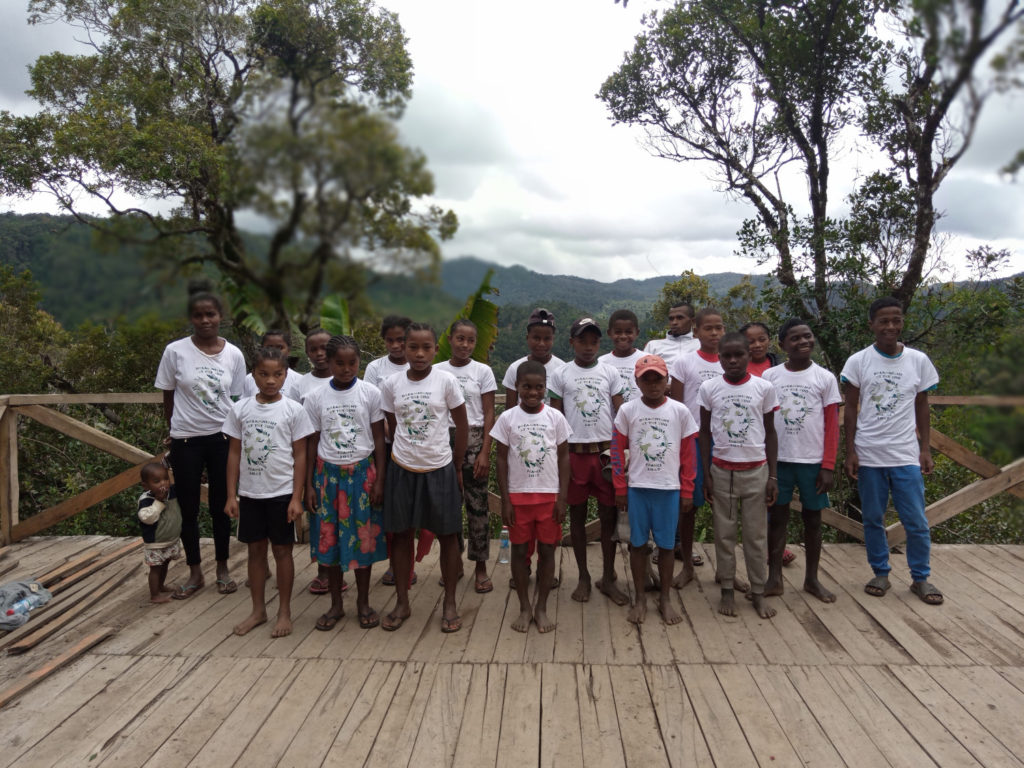
In addition, during the summer holidays, we organised our first two green classes in the Ranomafana National Park, which brought together around thirty children. They were amazed by this place that they had never had the opportunity to visit.  They were able to observe red-bellied lemurs, Edwards’ sifakas, red-fronted lemurs, but also many endemic plant species. They discovered the different roles of the forest and the interdependence of living beings in this ecosystem.

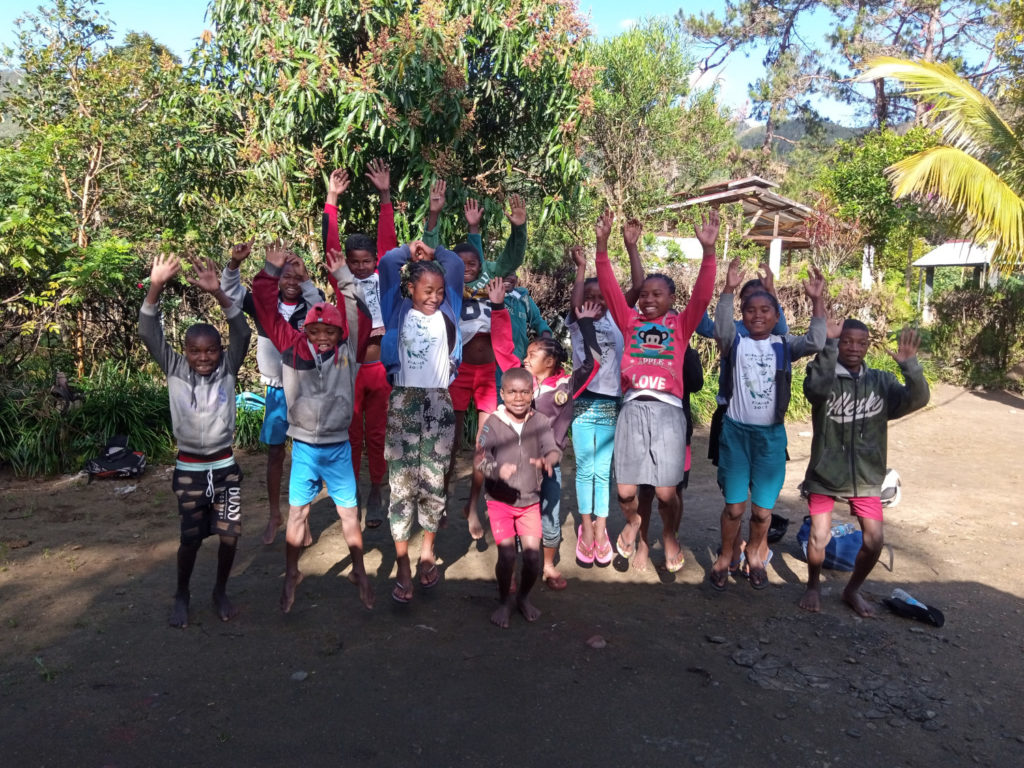
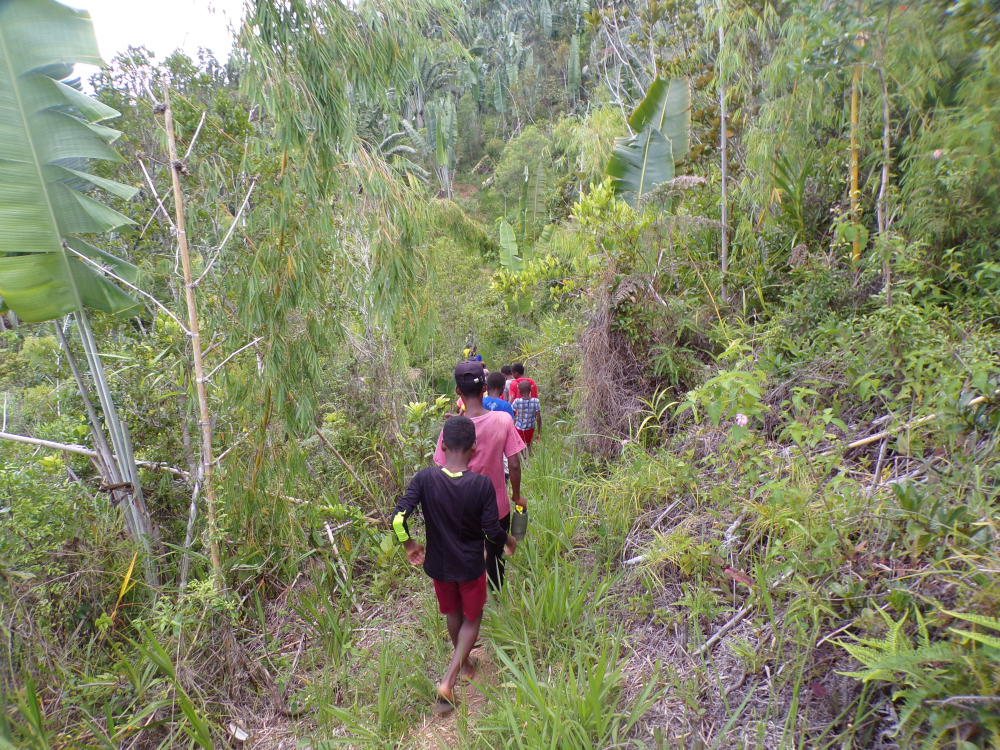
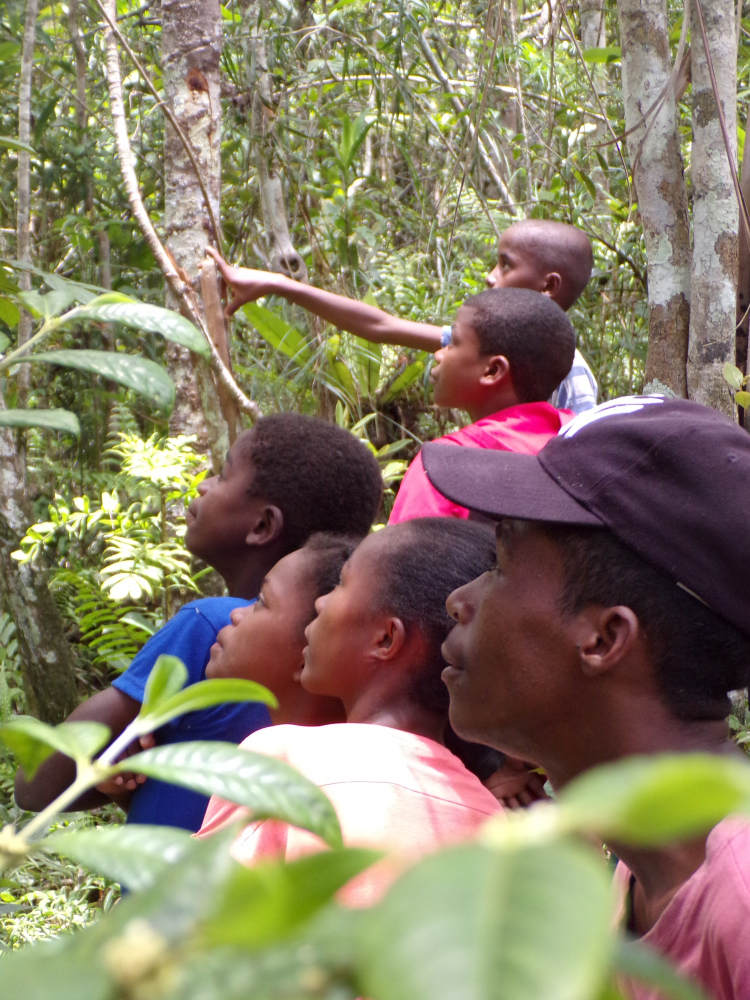
In 2022, we also organised seven visits to the Sahofika forest fragment, including two during the Christmas holidays when the Simus School was launched. These visits allowed 43 children to observe the greater bamboo lemurs (Group 5) and the red-bellied lemur family (monitored since 2017). The children quickly identified the latter as the heroes of their illustrated booklet entitled « Noro’s haven ».

Visit to the Sahofika forest fragment © Impact Madagascar
Lunch at the refectory of the Simus School © Impact Madagascar
Activities at the Simus School After the visit to the forest © Impact Madagascar

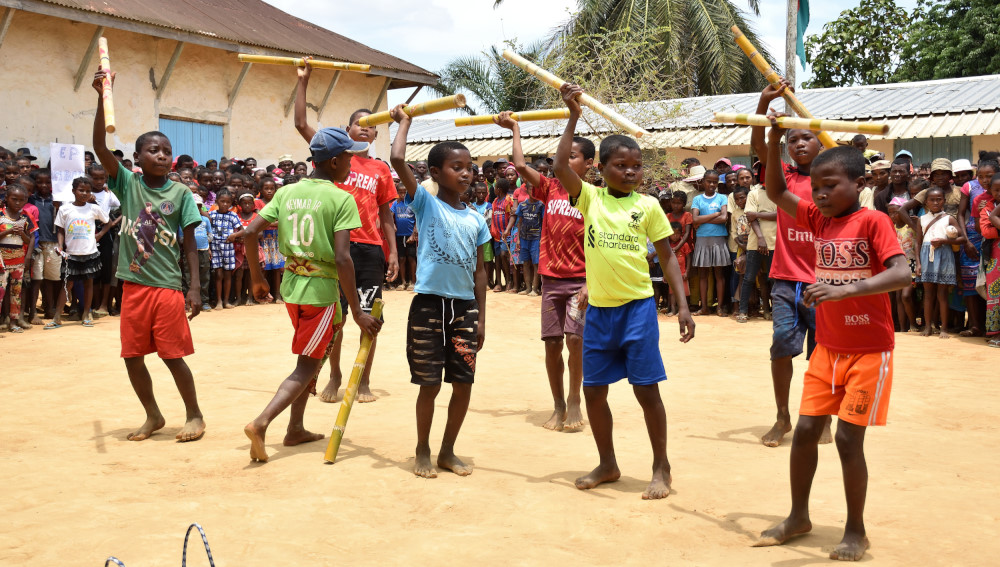
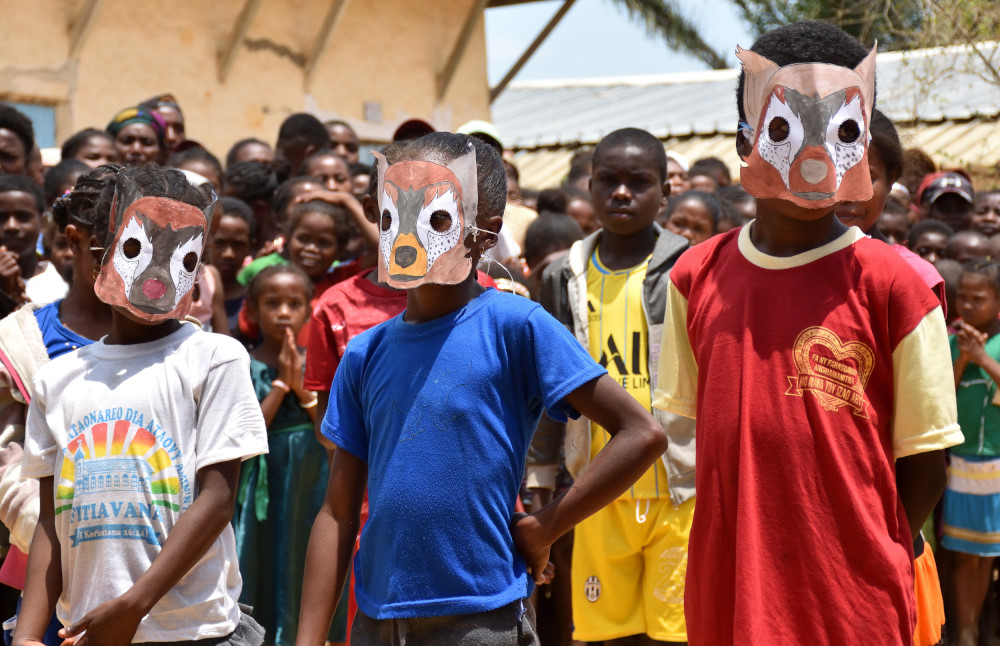
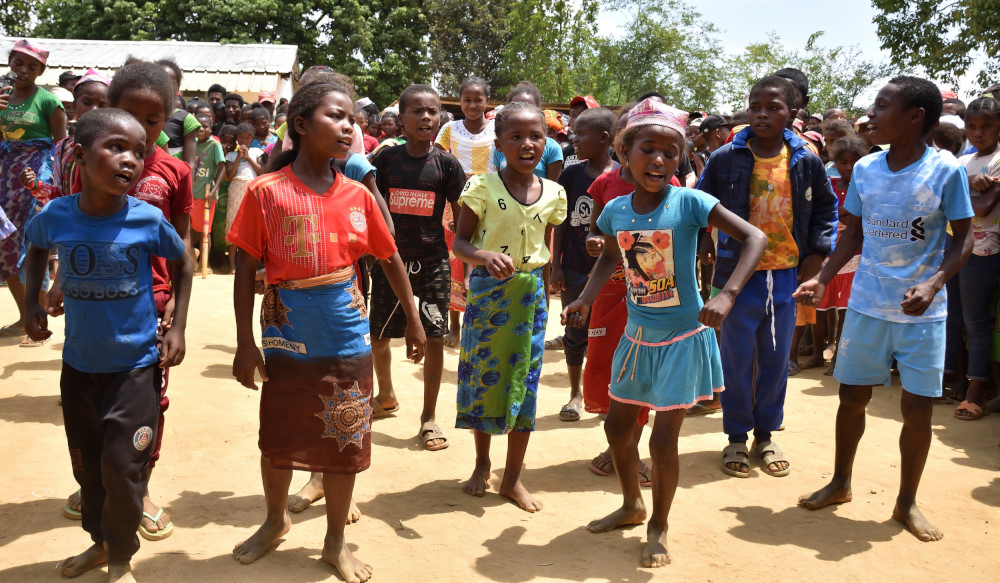
In September and October, Laurent and Mary focused on preparing the Simus Festival, a major event that had not taken place since the beginning of the pandemic. About 150 children participated in this event, performing songs and dances. Laurent even composed a song especially for the occasion, which was covered by several schools.

Simus festival © D. Roullet

Thus, the year 2022 was particularly rich for our environmental education programme, whose main objective is to enable children to learn more about their biodiversity and to learn how to preserve it.

Guarding of rice fields (progress report July 2022)

In 2022, we extended the guarding of rice fields to our entire intervention area to protect the only crops that resisted the two February cyclones.

As a reminder, rice represents less than 0.5% of the greater bamboo lemur diet, however, groups of 60 to 80 individuals can destroy up to 80% of a rice plot that normally sustains a farming family for several months.

© D. Roullet

The video below explains how the crop guarding works.

The team of guards is now composed of 60 people, their number has been multiplied by 5 in almost 3 years.

The number of beneficiaries has been multiplied by more than 3 in almost 3 years. There are now 131 farmers who benefit from this programme.
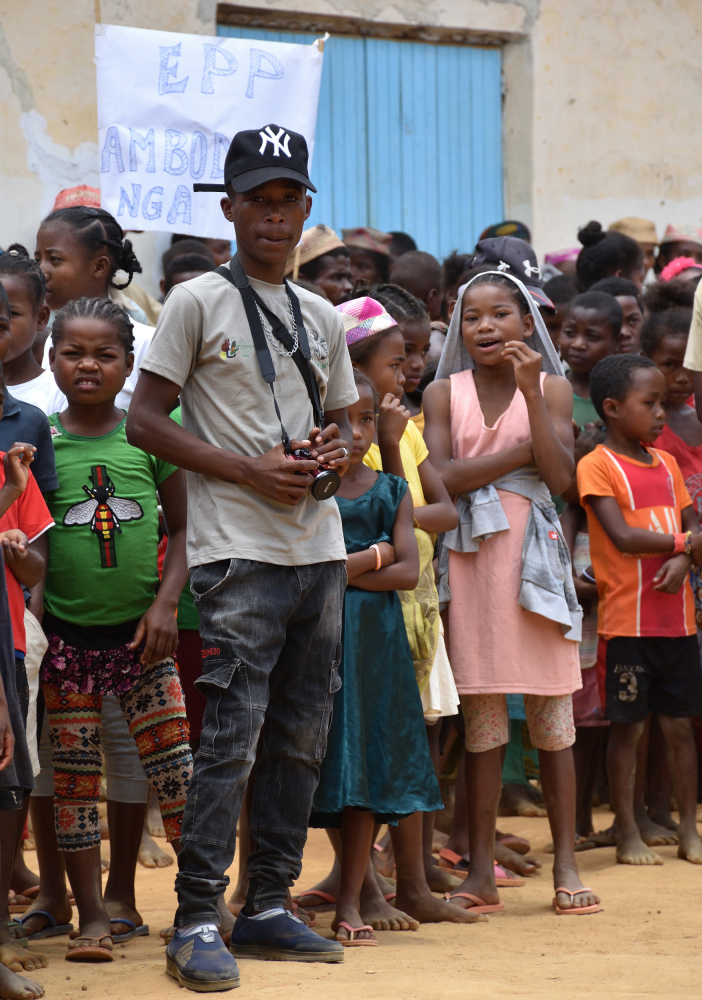
In 2022, 672 rice fields have been protected from the greater bamboo lemurs.
From April to June, 412 attacks have been repealed in 188 paddy fields.

Apart from a few isolated incidents in only 12 rice fields, no damage was observed in the other 660 rice fields.

The crop guarding not only protects the rice fields but also creates jobs in a period of great insecurity.

Annual report 2021

Read the Helpsimus annual report for 2021!